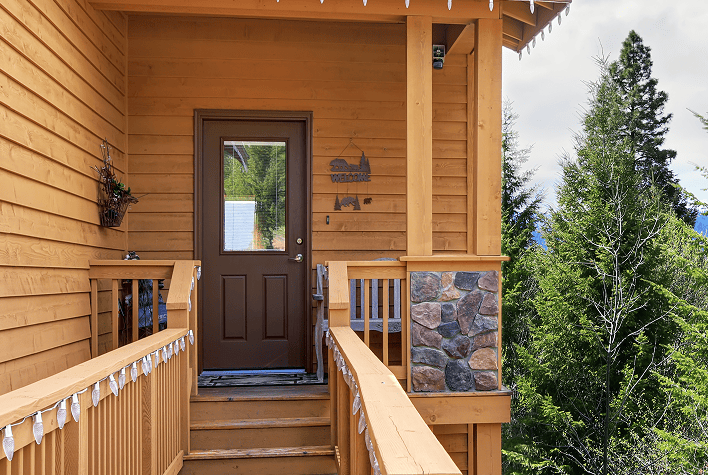
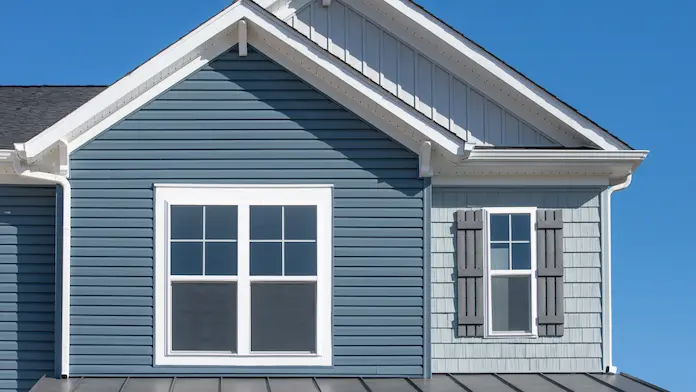
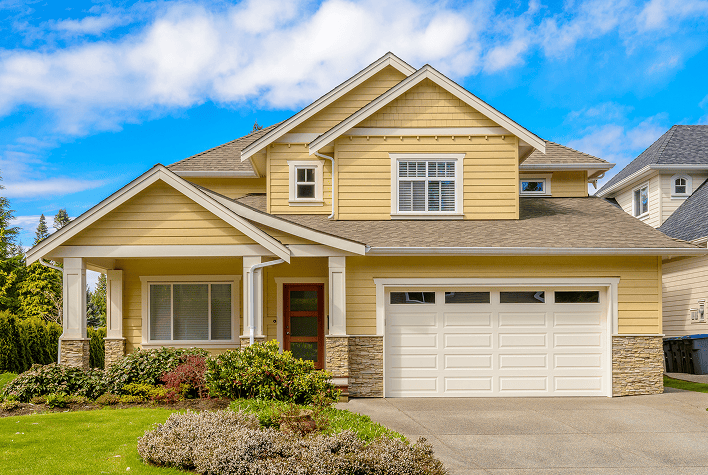
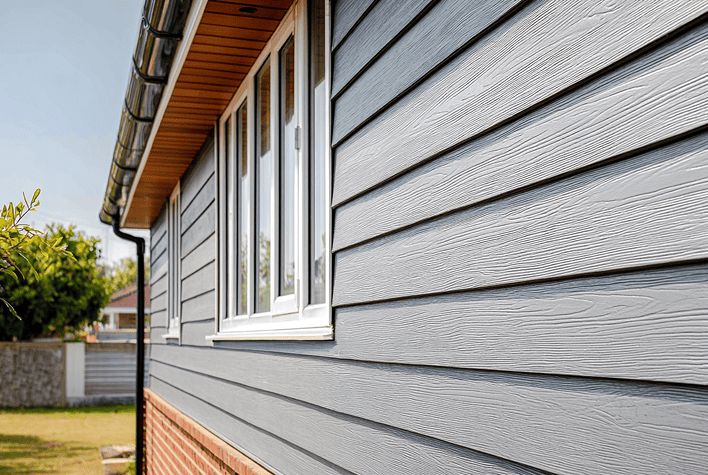
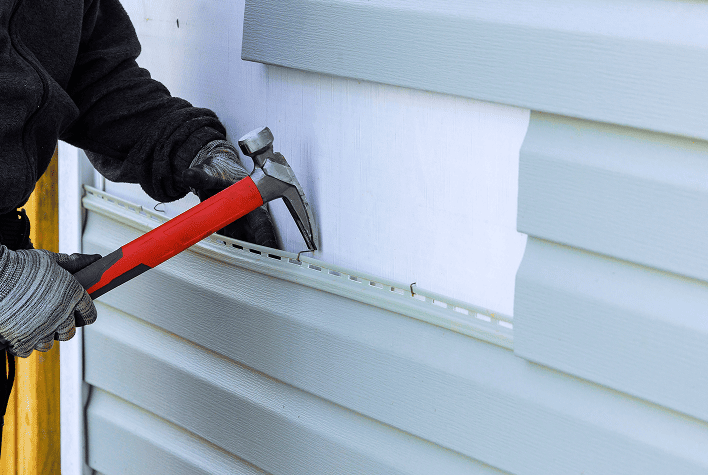
Replacing wood siding can give your home a fresh, natural look while improving protection and energy efficiency. Wood siding remains a timeless choice, offering warmth and charm that enhances curb appeal.
However, it requires regular maintenance, such as sealing and painting, to protect against moisture, insects, and weather damage. Proper care ensures it lasts for decades.
Wood siding adds timeless beauty and warmth to any home with its natural grain and classic appeal.
It’s eco-friendly, biodegradable, and provides strong insulation for improved energy efficiency.
The final cost depends on factors like wood type, style, home size, and labor rates.
Regular maintenance, such as painting or staining, is essential for longevity and protection.
On average, homeowners spend between $17,350 and $69,400.
Wood Siding: Pros and Cons
Many homeowners have preferred wood siding for their homes for centuries. However, like any building material, it has its strong and weak points. Here’s a closer look at them.
Aesthetic Appeal: Wood siding offers a timeless and natural look that enhances the beauty of any home. Its unique grain patterns and textures add character and warmth.
Eco-Friendly: Wood is a renewable and biodegradable resource. Compared to synthetic materials, it has less impact on the environment.
Good Insulation: Wood has natural insulating properties, helping to regulate your home's temperature, which can reduce energy bills during both summer and winter.
Easy to Modify: Wood siding is easy to paint or stain, giving homeowners the flexibility to update the look of their home without needing to replace the entire siding.
Versatility: Available in various styles, such as clapboard, shingles, and board-and-batten, wood siding can complement different architectural designs.
Easy to Repair: Damaged sections of wood siding can be replaced individually without needing to remove entire panels.
Customizable: Wood siding can be easily painted or stained to match your desired color scheme, allowing for flexibility in design.
High Maintenance: Wood siding requires regular upkeep, such as painting or staining every few years, to prevent rot, insect damage, and weathering.
Vulnerability to Moisture: Wood can absorb moisture, leading to problems like warping, mold, and decay, especially in areas with high humidity or frequent rain.
Higher Cost: While beautiful, wood siding is often more expensive to install and maintain. In terms of prices, the winner of the wood siding vs vinyl cost fight will definitely be the second.
Fire Risk: Wood siding is more flammable than other materials, which could be a concern in areas prone to wildfires.
Susceptible to Damage: Wood is prone to rot, insect infestations, and damage from weather conditions. It needs consistent maintenance to remain durable.
Moisture Sensitivity: Wood can absorb moisture, leading to warping, swelling, and mold growth if not properly maintained.
What Factors Affect the Wood Siding Prices
Type of Wood
The chosen type of wood significantly impacts the project cost. Different wood species have varying levels of durability, appearance, and price. Here are some possible options:
Wood Material
Price Range (per square foot)
Description
Pine
$3 - $7
A budget-friendly option, pine is readily available and easy to work with but requires more maintenance to protect it from the elements.
Cedar
$6 - $12
Naturally resistant to decay and insects, cedar offers durability and a beautiful appearance but comes at a higher cost.
Redwood
$10 - $20
Known for its rich color and resistance to rot, redwood siding is a premium choice with a price tag to match.
Spruce
$4 - $8
A lightweight and affordable option, easy to work with but may require more frequent maintenance.
Fir
$5 - $10
Offers a balance of affordability and durability, a popular choice for siding.
Cypress
$8 - $15
Naturally resistant to decay and insects, cypress is a durable and attractive option but can be more expensive.
Douglas Fir
$5 - $10
A strong and durable option, offers good value for its price.
Engineered Wood
$4 - $9
Made of wood fibers and resins, a cost-effective and low-maintenance option.
Hemlock
$4 - $7
An affordable and lightweight option, easy to work with but may require more frequent maintenance.
Poplar
$3 - $6
A budget-friendly option, lightweight and easy to work with but may require more frequent painting or staining.
Teak
$12 – $25
Luxury wood, resistant to moisture and insects, long-lasting
Wood siding comes in various styles, each affecting the cost differently:
Clapboard siding:
A traditional style that overlaps horizontally. It typically costs $6 to $10 per square foot.
Shingles and Shakes:
Offer a rustic look but require more labor. The price for these styles can range from $7 to $14 per square foot.
Board and Batten:
Board and Batten: A vertical style that’s popular for farmhouse aesthetics, costing between $5 and $9 per square foot.
Wood Grade
The wood grade determines the quality and durability of the siding. Higher grades are more expensive but offer better longevity and appearance:
Standard Grade$3.50 - $12.50 per square foot
Premium Grade$8.00 - $23.50 per square foot
Size and Complexity of Your House
The larger your home’s exterior, the more siding material and labor will be required, leading to higher costs. Additionally, complex architectural features like dormers, gables, and multiple stories complicate the installation and increase labor costs.
Finishing and Treatment
Wood siding must be painted or stained to protect it from moisture, insects, and UV damage.
Painting:
Costs typically range from $1,000 to $3,000 for a complete paint job, depending on the size of the house.
Staining:
Generally, it’s less expensive than painting, with prices between $750 and $2,500. However, both options require reapplication every few years to maintain durability and appearance.
Removal of Old Siding
If you’re replacing existing siding, you may need to factor in the cost of removing and disposing of the old material. This process can add $1,000 to $3,000 to the total project cost, depending on the size of the house and the type of old siding.
Condition of the House
If your home has structural damage or issues like mold or rot underneath the old siding, you may need to repair it before installing the new siding. These repairs can add anywhere from $500 to $5,000 to your total project cost, depending on the severity of the damage.
Labor Costs
Labor is another major factor that affects the overall expense. The complexity of the installation, house size, and local labor rates play a role in determining the final cost. On average, labor for wood siding installation ranges from $2 to $5 per square foot. Homes with more intricate designs, such as multiple stories or irregular shapes, will have higher labor costs to install lap siding due to the extra time and effort required.
Geographic Location
Labor costs and material availability vary by region, impacting the overall price. In areas with higher living costs, expect labor and materials to be more expensive. Urban areas tend to have higher rates than rural areas. The difference can be significant, with costs in some regions being up to 20% higher.
Season
Siding installation during peak season (usually summer) may cost more due to higher demand. Off-season installations might offer discounts.
Additional Costs
Don’t forget to factor in additional engineered wood siding costs such as:
Permits and inspections:
Check with your local building department to see if any permits are required for your siding replacement project.
Painting or staining:
If you choose unfinished wood siding, the cost of painting or staining will add to the total.
Trim and accessories:
Consider the cost of trim, corner boards, and other accessories needed to complete your siding installation.
Install a Wood Siding Yourself or Hire a Pro?
Cost: Lower upfront cost, but potential for costly mistakes. Estimated savings of 40-60%
Skill Level: Requires advanced carpentry skills and knowledge of building codes
Time: Time-consuming, especially for beginners
Tools and Equipment: Need to purchase or rent specialized tools
Quality of Work: Quality may vary based on skill level
Warranty: No warranty on DIY work
Safety: Higher risk of injury due to lack of experience
Permits and Inspections: Must handle permits and inspections yourself
Cost: Higher upfront cost, but includes labor and expertise
Skill Level: Professionals have the necessary skills and experience
Time: Faster completion due to experience and a dedicated team
Tools and Equipment: Professionals have all the required tools
Quality of Work: Consistent, high-quality work is guaranteed
Warranty: Often includes a warranty on work and materials
Safety: Professionals follow safety protocols and are insured
Permits and Inspections: Professionals manage permits and ensure compliance with local codes
When hiring a professional, it’s essential to choose a reputable contractor with experience.
Get Multiple Estimates:
Compare 3 to 5 in-person estimates from different contractors. Ensure they provide similar details for an accurate comparison.
Check Credentials:
Choose licensed, bonded, and insured companies with at least 5 years of experience in wood siding installation.
Ask for References:
Request local references to verify the contractor's reliability and quality of work.
Beware of Low Bids:
Avoid contractors with significantly lower prices, as this may indicate poor quality work.
Written Contract:
Sign a written contract that includes all details, such as labor, materials, and cleanup.
Payment Terms:
Do not make the final payment until the job is complete to ensure satisfaction with the work done.
Homebuddy.com is a service for finding a wood siding professional. It connects homeowners with qualified contractors in their area, allowing users to compare multiple professionals based on reviews, qualifications, and pricing. This platform simplifies the process of finding the right contractor for your siding project, ensuring that you can make an informed decision based on real homeowner experiences.
Conclusion
Replacing wood siding is a significant investment, but it can greatly enhance your home’s appearance and value. Costs vary based on factors like material type, labor, and location. Whether you choose to DIY or hire a professional, careful planning and research will help ensure a successful wood siding replacement project. By weighing all the factors discussed in this article, you’ll be well-equipped to make an informed choice that balances your budget with your home improvement goals.
Frequently Asked Questions
How long does wood siding last, and what maintenance is required?
Wood siding can last 20 to 40 years with proper maintenance. Regular maintenance includes painting or staining every 3-7 years, inspecting for damage, and treating for pests and rot.
Can I install new wood siding over the old siding?
In some cases, new wood siding can be installed over old siding if the existing siding is in good condition and properly prepared. However, it’s often recommended to remove old siding to inspect and repair any underlying damage.
What is the best wood for siding?
Cedar is one of the best choices for wood siding because of its natural resistance to rot, decay, and insects. Redwood and cypress are also durable and provide excellent longevity. Cedar siding cost per square foot is higher compared to more affordable woods like pine, the latter requires more frequent maintenance and treatments to prevent moisture damage.
Can I paint or stain my wood siding to change its color?
Absolutely! One of the benefits of wooden siding is its universality. You can paint or stain it to match your desired color scheme and refresh your home’s exterior whenever you like.
Is wood siding a good insulator?
Yes, wood is a natural insulator, helping to regulate your home’s temperature and potentially reducing energy costs. However, the insulation value can vary depending on the type and thickness of the wood.
How often should I repaint or re-stain my wood siding?
The frequency of repainting or re-staining depends on the type of wood, climate, and exposure to the elements. Generally, it’s recommended to repaint or re-stain every 3 to 7 years to maintain its appearance and protect it from damage.
Can I install wood siding myself?
Yes, installing wood siding yourself can save money, but it requires good carpentry skills and experience. You’ll need the right tools and knowledge of local building codes. While this approach can be rewarding, hiring a professional ensures the job is done quickly and with fewer risks of mistakes.