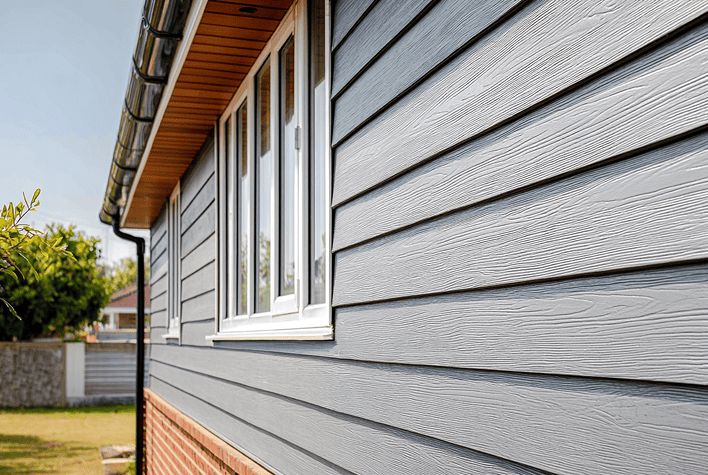
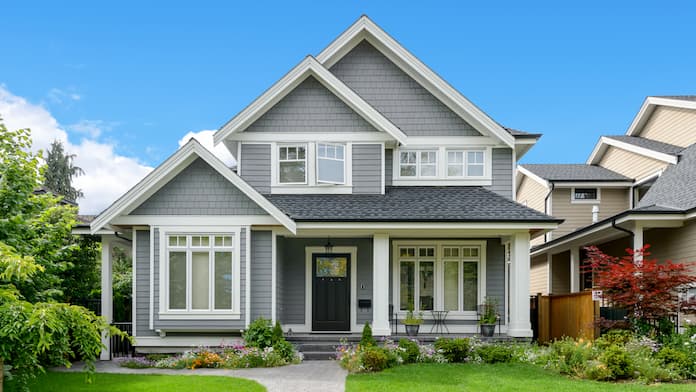
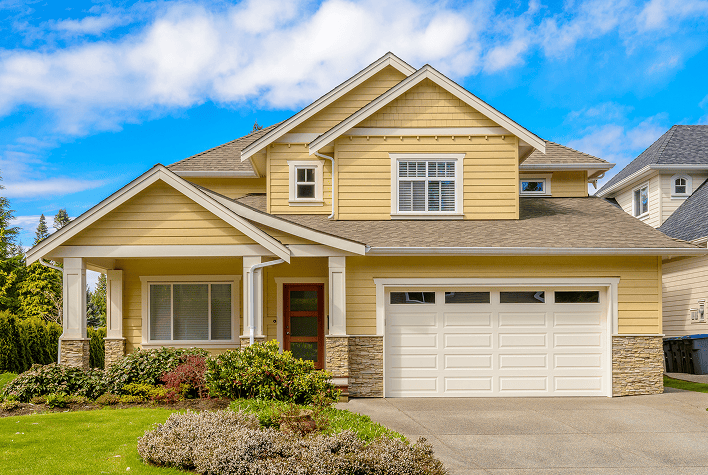
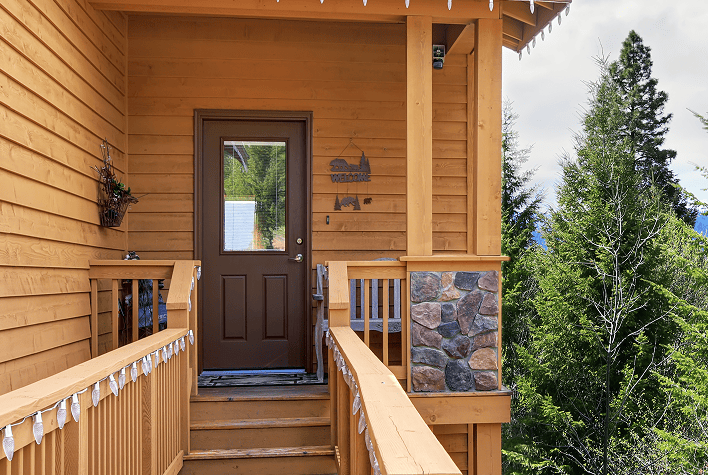
Fiber cement siding is a durable and versatile option for homeowners who want the look of wood, stone, or stucco without the high maintenance. Made from a mix of cement, sand, and cellulose fibers, it offers excellent resistance to fire, rot, and pests.
This material is also known for its long lifespan, low upkeep, and ability to withstand harsh weather conditions.
Fiber cement siding combines cement, sand, and cellulose fibers, offering exceptional durability, fire resistance, and a natural look.
It can mimic wood, stone, or brick textures, providing a stylish yet low-maintenance alternative to traditional materials.
The final price depends on home size, design complexity, brand, and local labor rates.
Proper installation ensures longevity and protection against harsh weather and pests.
On average, homeowners spend between $17,350 and $69,400.
Fiber Cement Siding: Pros and Cons
Fiber cement siding is a popular composite material used to cover the house exterior. It is made of a mix of cement, sand, and cellulose fibers. This combination creates a durable, strong, and versatile product. It can imitate the look of wood, stone, or even brick. It makes the material a great option for homeowners who want the look of natural materials without the need to maintain them. Now, let’s look closer at its pros and cons.
Durability: The material is incredibly durable. It can withstand harsh weather conditions, such as strong winds, heavy rains, and even hail. It's also resistant to pests like termites and won't rot, warp, or crack easily.
Low Maintenance: Once installed, fiber cement siding requires very little maintenance. It doesn't need to be painted as often as wood siding, and it won’t need to be sealed like natural stone or brick. Most fiber cement products come pre-painted or primed, with the color lasting for many years.
Fire Resistant: Unlike wood siding, fiber cement is non-combustible. It doesn’t catch fire easily and can help protect your home in case of a fire. This is a significant safety benefit, especially in areas prone to wildfires.
Design Versatility: Fiber cement siding comes in various styles, colors, and textures. It can be designed to look like traditional wood siding, stucco, or even stone. It helps homeowners customize their home’s exterior to match their taste and architectural style.
Long Lifespan: When properly installed and maintained, fiber cement siding can last for decades. Many manufacturers offer warranties of 30 years or more, which means this siding is a long-term investment.
Environmentally Friendly: Fiber cement siding is of sustainable materials and does not pollute the environment with harmful toxins. It’s also energy efficient, helping to keep your home insulated and reducing energy costs.
Higher Initial Cost: Fiber cement siding cost vs vinyl or other materials can be significantly higher. The cost of materials and the need for specialized installation can make it a pricier option initially.
Complex Installation: Installing fiber cement siding requires more skill and experience. It’s heavier and more brittle, making it challenging to cut and handle. Improper installation can lead to issues like water damage and decreased durability.
Weight: Fiber cement siding is much heavier than vinyl or wood siding. This can make the installation longer and more labor-intensive. In some cases, more weight means additional structural support for your home.
Moisture Concerns: While fiber cement is resistant to rot, it’s not entirely waterproof. If not properly installed or maintained, moisture can seep behind the siding, potentially causing damage to your house walls.
Limited Insulation: The material is not a good insulator. So, if you live in a very hot or cold climate, you might need to invest in additional insulation materials, which can add to the overall cost.
Painting Over Time: Although fiber cement siding comes pre-painted, the color may fade over time, especially due to harsh weather conditions. You may need to repaint the siding every 10 to 15 years to keep it looking fresh.
Factors That Affect the Cost of Fiber Cement Siding
When budgeting for fiber cement siding, it’s essential to understand the factors that affect the overall cost. Let’s break them down.
Size of the Home
The larger the home, the more material you will need. This directly impacts the total cost. So, if you have a small house, you will pay less overall compared to a larger home.
Type of Fiber Cement Siding
There are several types of fiber cement siding with a different price point:
Lap Siding: This is the most common type. Fiber cement board siding cost is between $4 to $6 per square foot for materials alone.
Shingles: These give a more textured look, like cedar shingles. They usually cost between $2 to $8 per square foot for materials.
Panels: These are large sheets that can be used for modern or commercial looks. They typically range from $3 to $15 per square foot for materials.
Quality and Brand of the Siding
Premium brands often offer more durable products with longer warranties but at a higher cost. High-quality siding may cost up to $10 to $15 per square foot, while more affordable options may be around $5 to $8 per square foot. The most famous brands are:
James Hardie:
$6 to $12 per square foot. They are known for durability and color options.
Allura:
$5 to $10 per square foot. Good mid-range option with various textures.
Nichiha:
$7 to $13 per square foot. The manufacturer offers unique architectural styles.
CertainTeed:
$5 to $9 per square foot. This brand is known for good warranties.
Color Options
Pre-painted:
$5 to $11 per square foot. This type of siding comes ready to install.
Primed for painting:
$4 to $9 per square foot. This option is cheaper upfront but needs painting.
Custom colors:
Add $1 to $2 per square foot. They allow for a unique home appearance.
Color-plus technology:
Add $2 to $3 per square foot. The material is colored with a longer-lasting factory finish.
Installation Costs
Installation costs can vary based on your location and the contractor’s experience. Cementitious siding is heavier and requires more skill to install than other types of siding, which can increase labor costs. On average, installation can cost between $2 to $10 per square foot.
Additional Materials
You may need extra materials to complete the siding project, such as trim, soffits, and fascia. These materials help seal the edges and give a finished look. They can add $1 to $4 per square foot to the total cost.
Trim work: $3 to $6 per linear foot. It’s essential for a finished look.
Insulation: $1 to $3 per square foot. The insulation improves energy efficiency.
Fascia and soffits: $20 to $30 per linear foot installed.
House wrap: $0.50 to $1 per square foot. It creates an important moisture barrier.
Removal of Old Siding
If you need to remove old siding before installing the new fiber cement siding, this will add to the cost. Removal and disposal can range from $1 to $2 per square foot depending on the type of old siding and the disposal fees in your area.
Home Design and Complexity
The design and complexity of your home can also impact siding installation costs. Homes with many corners, angles, and architectural details require more precise cutting and fitting, which can increase both material waste and labor time. This added complexity can raise the overall cost by 10% to 20%.
Location
The cost of materials and labor can vary depending on where you live. In some regions, the demand for fiber cement siding is higher, which can increase prices. Also, labor costs are generally higher in urban areas compared to rural ones. This can cause the overall project cost to fluctuate by 5% to 15%.
Permits and Inspections
Depending on your location, you might need permits to install new siding on your home. Permit fees can range from $50 to $500 or more, depending on local regulations. Additionally, some areas may require inspections, which could add to the cost.
Seasonal Timing
The final price can depend on the time of year when you are going to install your siding. Contractors may offer 10-20% discounts during off-peak seasons (late fall to early spring) when demand for outdoor work is lower. Peak season (summer) often has higher prices and longer wait times.
Warranty Options
Standard warranty: Included in the base price, usually 30 years.
Extended warranty: It may add 10-20% to the total cost, and can cover up to 50 years.
Transferable warranties may add value but cost more.
Fiber Cement Siding Saving Tips
If you’re planning to install fiber cement siding, you’ll want to get the best value for your money. There are several ways to save on your siding project without compromising quality:
Shop Around for Quotes
Get quotes from multiple contractors before making a decision. Prices can vary significantly from one contractor to another. By comparing at least three quotes, you can find the best price for the same quality of work. This can save you up to 15% on installation costs.
Choose a Standard Style
Opting for a standard style, such as lap siding, can help you save money. More elaborate styles like shingles or custom designs are more expensive due to higher material and labor costs. Sticking to a standard style can reduce fiber cement siding price per square foot by 10% to 20%.
Buy Materials in Bulk
Purchasing materials in bulk can often get you a discount. Contractors may also cooperate with suppliers that allow them to get materials at a lower cost. If possible, ask your contractor if they can get a bulk discount and pass the savings on to you. This can save you 5% to 10% on materials.
Time Your Project Wisely
Consider scheduling your siding project during the off-peak season, such as late fall or winter. During these months, contractors are less busy and may offer discounts to fill their schedules. This can save you up to 10% on labor costs.
Use Local Contractors
Hiring a local contractor can save you money on transportation and travel costs. Local contractors are often more familiar with regional building codes and may offer more competitive rates. This can save you 5% to 10% on the total project cost.
Look for Promotions or Discounts
Some manufacturers and suppliers offer promotions or discounts on fiber cement siding. Check their websites or ask your contractor if there are any ongoing deals. These discounts can save you 5% to 15% on materials.
Negotiate with Your Contractor
Don’t be afraid to negotiate the price with your contractor. They may be willing to reduce their fee or match a lower quote from another contractor. Even a small discount can save a lot of money. Negotiating effectively could save you 5% to 10% on the total cost.
Maintain Your Siding
Proper maintenance can extend the life of your fiber cement siding. Regular cleaning and occasional repainting can keep your siding looking new and protect it from damage. Over time, good maintenance can save you thousands of dollars.
Avoid Unnecessary Extras
While additional features like decorative trim or custom colors can enhance the look of your home, they can also add to the cost. Avoiding unnecessary extras can save you 10% to 20% on your siding project.
Do Some Work Yourself
If you’re handy, consider doing some work yourself, like removing the old siding. This can lower labor costs, as contractors won’t have to spend time on this task.
Should You Install Fiber Cement Siding Yourself or Hire a Professional?
Cost: Lower upfront costs as you save on labor.You may need to buy or rent special tools, which can add to your expenses.
Skill Level: Good for those who want to learn a new skill. Requires advanced skills and knowledge of siding installation techniques.
Time Commitment: You can work at your own pace and schedule. It may take significantly longer to finish, especially if you are not experienced.
Quality of Work: You have full control over the installation process and can ensure it meets your standards. Higher risk of mistakes or improper installation.
Safety: Installing fiber cement siding can be dangerous due to the weight and tools required.
Warranty and Support: No warranty if you make a mistake or if materials are damaged during installation.
Overall Convenience: You have control over every step and can work on your timeline.
Cost: Includes materials, labor, and tools in the quote, providing a clear overall cost. Higher initial cost due to labor costs.
Skill Level: Professionals have the expertise and experience needed to install siding correctly and safely. No learning opportunity, and you depend on the contractor’s skills.
Time Commitment: Professionals can complete the job quicker, typically within a few days or weeks. You must coordinate with the contractor’s availability, which may not always align with your schedule.
Quality of Work: High-quality work with fewer mistakes due to professional training and experience. You must trust the contractor; poor-quality work can be costly to fix.
Safety: Professionals are trained to work safely and have the proper equipment to avoid accidents.
Warranty and Support: Professional service often includes a warranty, protecting you against future issues.
Overall Convenience: Less stress and effort on your part as the contractor handles all aspects of the installation.
Tips to Hire a Siding Professional
Hiring the right professional to install your fiber cement siding is crucial to ensure a high-quality job and avoid future problems. Here are some tips to help you find a reliable siding pro:
Look for licensed, insured, and bonded contractors.
Ask for proof of insurance and licenses.
Contact at least three different contractors.
Compare prices, but also consider experience and reputation.
Choose contractors with specific fiber cement siding experience.
Ensure all details are in writing, including timeline and materials. Don't sign until you fully understand all the terms.
Ask about both manufacturer and labor warranties. Make sure you understand the included coverage and for how long.
To find a reliable siding professional more easily, consider using Homebuddy.com. This service connects homeowners with top-rated contractors in their area. Just enter your project details, and HomeBuddy will match you with qualified professionals who can handle fiber cement siding installation.
Conclusion
Fiber cement siding offers a beautiful, durable, and low-maintenance solution for your home’s exterior. While the cost might be higher than other options, its longevity and potential for savings in the long run make it a worthwhile investment. By understanding what factors affect the cost and how to cut your budget, you can achieve the perfect balance between quality and affordability. With careful planning and the right contractor, this can be a smart investment in your home’s future.
Frequently Asked Questions
What is fiber cement siding? Is it the best solution for your house?
Fiber cement siding is a durable material made from a mix of cement, sand, and cellulose fibers. It mimics the look of wood, stone, or brick and is resistant to weather, pests, and fire. It can be an excellent solution for your house if you want a low-maintenance, long-lasting option with a variety of styles.
Will fiber cement siding increase home value?
Yes, fiber cement siding can increase your home’s value. It enhances curb appeal and is highly durable, which is appealing to potential buyers. Homes with fiber cement siding often sell for more because it requires less maintenance and lasts longer than other siding options.
How long does fiber cement siding usually serve?
Fiber cement siding typically lasts 30 to 50 years or more when properly installed and maintained. Its durability makes it a long-term investment for homeowners. Regular maintenance, such as cleaning and repainting, can help extend its lifespan.
Is fiber cement siding better than vinyl?
Fiber cement siding is more durable and has a longer lifespan than vinyl siding. It’s also more resistant to fire, weather, and pests. However, vinyl is cheaper and easier to install, so the best choice depends on your budget and needs.
How to maintain fiber cement siding?
To maintain fiber cement siding, regularly clean it with a garden hose or soft brush to remove dirt and debris. Repaint the siding every 10 to 15 years, or as needed, to keep it looking fresh and protected. Inspect for any damage or cracks and repair them promptly to prevent further issues.
Is fiber cement siding environmentally friendly?
Yes, fiber cement siding is considered environmentally friendly. It is made of sustainable materials like sand, cement, and cellulose fibers. It is also highly durable, which means it needs to be replaced less frequently, reducing waste over time.