

Top Water Treatment System Contractors Near Me Your Location ?
Water Treatment Systems
Worried about contaminants in your home’s water supply or hard water? A whole-home solution could be more affordable than you think!
-
Filter out contaminants/toxins
-
Healthier water for drinking and cooking
-
Softer water for your family
-
Spotless dishes and glassware
-
Fast installation
-
Competitive local pricing
-
Professional local contractors


Solutions For Healthier Water In Your Home
If you are concerned about your home’s water - contaminants, toxins, PFAs, bad smell or taste - you have a good reason… nearly ⅓ of ALL public water systems have safety issues[2] and hard water impacts an estimated 85% of households!
-
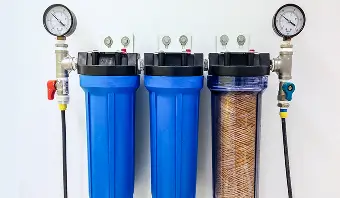
Filtration Systems
If worried about lead, pesticides or bacteria, notice an unpleasant taste or smell (chlorine, rotten egg, metallic) or have cloudy or murky water - a filtration system will help solve these problems.
-
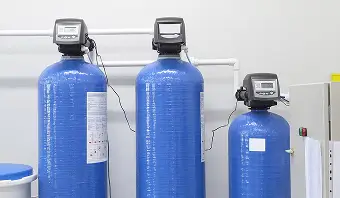
Water Softening Systems
Hard water can cause white buildup in your kitchen and bathroom, water spots or slow-flowing drains. Other signs include dry, itchy skin and dull hair after showering. A simple water softening system can be the answer.
-
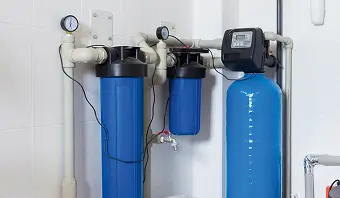
Filtration + Softening Systems
There are whole-house systems available that filter out contaminants, provide cleaner water AND soften water throughout your entire home - you get the best of both worlds with this solution.
Advantages of Water Treatment Systems
-
Purer Water
Reduce contaminants like lead, chlorine, bacteria and other potentially harmful substances. Give your family safer, better-quality drinking water.
-
Delicious, Odor-Free Taste
Enjoy fresher, cleaner water without unpleasant tastes or smells. It is perfect for drinking, cooking, coffee and making ice cubes.
-
Healthier With More Comfort
Smoother skin, silkier hair and brighter, gentler results from the laundry. Enjoy more total body comfort and health with softer water.
-
Warranties Available
Water treatment systems come with warranties, ensuring more peace of mind about your health and home protection.
-
Protects Plumbing And Appliances
Help prevent damaging scale buildup in pipes and appliances - you may even reduce slow-flow drains! Softer water also extends appliance lifespan and maintains efficiency longer.
-
Vibrant Dishes, Surfaces And Clothes
A whole-home water system can make it easier to get sparkling dishes, vibrant clothes that last longer and spotless surfaces throughout your home.

Photo Gallery of Water Treatment System Projects
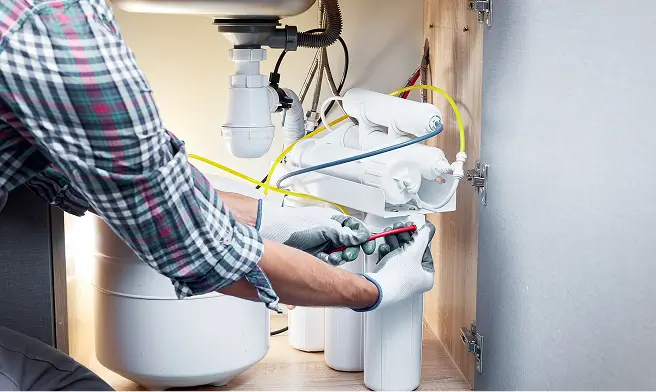
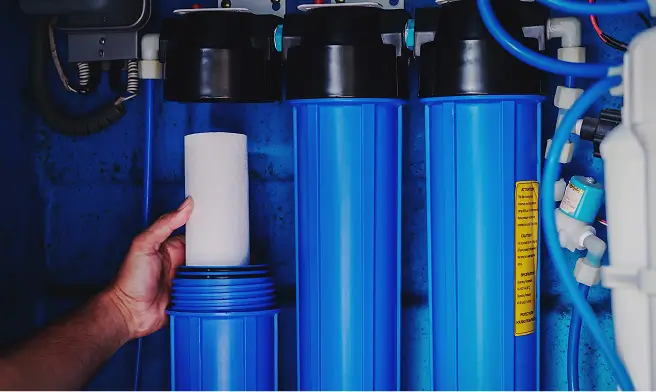
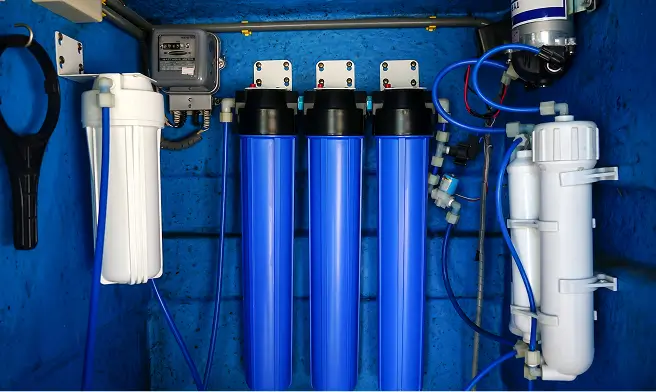
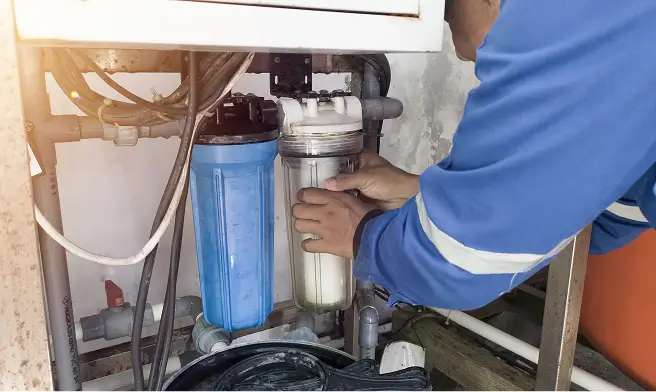
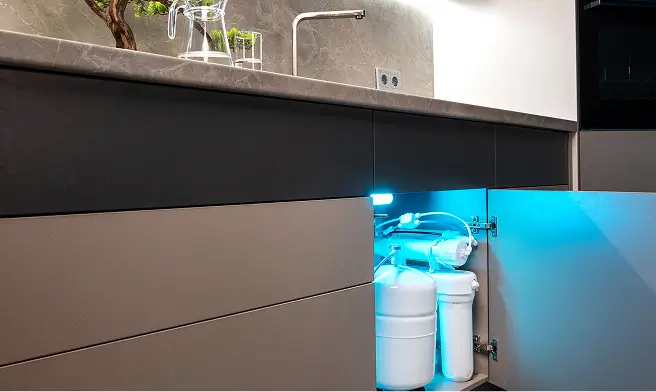
Reviews of Water Treatment System Contractors Near You
-

Steven C.

I’ve used this contractor for 25 years and have had only great service with professional technicians. The customer service is really reliable. Really recommend!
-
Christine D.
From scheduling to payment, this was such a great experience. They were pleasant and professional and were able to get the job done quickly. They did an exceptional job. I highly recommend!
-
Jillian F.
High quality work and competitive pricing. The turnaround time was fantastic. Highly recommended.
-
Faircloth C.
The entire team & their service was outstanding! They have completely transformed the appearance of our home, & we are extremely grateful!
)
Frequently Asked Questions
What are Water Treatment Systems and how do they work?
A household water treatment system improves the quality of water entering your home by removing contaminants, minerals, and impurities. Unlike simple pitcher filters, whole-house water treatment systems are installed at your main water entry point (called Point-of-Entry or POE), so every tap, shower, and appliance gets treated water.
These systems use different physical and chemical processes depending on what water issues you're dealing with. Most are multi-level systems:
● Pre-filtration: A sediment filter catches large particles like sand, rust, and silt to protect the finer stages downstream.
● Chemical Adsorption: Activated carbon filters work like a magnet for chemicals, trapping chlorine, chloramines, and volatile organic compounds (VOCs) that affect taste and smell.
● Ion Exchange (Softening): For hard water, resin beads swap calcium and magnesium ions for sodium or potassium ions, effectively softening the water to prevent scale buildup.
● Sterilization: Advanced units—especially well water treatment systems nearby—may include UV lights that neutralize bacteria and viruses without adding chemicals.
If you're searching for water treatment systems near you, you likely need a solution that addresses specific local water quality issues, such as municipal chlorine taste or hard water mineral deposits.
What types of water treatment systems are there?
Choosing the right system depends on your water quality, household size, and specific concerns. Here are the three main categories:
Filtration Systems
Filtration systems physically remove contaminants through various methods. Water treatment system service providers typically offer these options:
● Carbon filters: Remove chlorine, volatile organic compounds (VOCs), and improve taste and odor. Their lifespan reaches 6-12 months, depending on water usage.
● Reverse osmosis (RO): Forces water through semi-permeable membranes, removing up to 99% of dissolved solids, heavy metals, and microorganisms. According to CDC data, RO systems are among the most effective for comprehensive purification.
● UV purification: Uses ultraviolet light to destroy 99.99% of bacteria, viruses, and other pathogens without chemicals.
● Sediment filters: Remove rust, sand, and particulate matter (typically 5-50 microns).
Water treatment companies often recommend combining multiple filtration methods for the best results. A typical whole-house system might include a sediment pre-filter, → carbon filter, → UV sterilization.
Water Softening Systems
Hard water contains high concentrations of calcium and magnesium minerals. The U.S. Geological Survey reports that 85% of American homes have hard water, measuring above 60 mg/L.
Water softeners work through ion exchange: resin beads capture hardness minerals and release sodium or potassium ions. A typical salt-based softener operates in cycles:
● Service: Water flows through resin, exchanging hard minerals for sodium
● Backwash: Reverses flow to clean resin bed (10 minutes)
● Regeneration: Brine solution recharges resin beads (50-60 minutes)
● Rinse: Removes excess brine (5-10 minutes)
Modern demand-initiated softeners regenerate based on actual water usage rather than timers, cutting salt consumption by up to 40%. For households avoiding sodium, potassium chloride or salt-free conditioners (which don't remove minerals but prevent scale buildup) are alternatives.
Filtration + Softening Systems
Combined systems tackle both hardness and contaminant removal in one installation. These whole-house water treatment solutions typically feature:
● Pre-sediment filter → Water softener → Carbon filter → Optional UV sterilization
● Single control valve for easier maintenance
● Reduced installation space (compared to separate units)
● Cost savings of 15-25% versus buying components separately
For well water treatment systems nearby, combination units are often essential since well water frequently has both hardness and contamination issues. Industry data from the Water Quality Association shows that 68% of well water homeowners benefit from combined treatment.
What are the advantages and value of the water treatment system?
Investing in a water treatment system service offers immediate financial and health benefits. According to industry data, 85% of homes in the U.S. have hard water, which wreaks havoc on plumbing.
● Extended Appliance Lifespan: Hard water scale reduces water heater efficiency by up to 30%. Soft water can extend the life of washing machines, dishwashers, and water heaters by years.
● Healthier Skin and Hair: Chlorine and hard minerals strip natural oils from your skin and hair. Treated water prevents hard water itch and keeps hair color vibrant.
● Cost Savings: With soft water, you can use up to 50% less soap and detergent because the water lathers more effectively.
● Plumbing Protection: Whole-house water treatment prevents mineral scale from narrowing your pipes, maintaining water pressure, and helping you avoid expensive re-piping projects.
● Environmental Impact: High-quality home filtration eliminates the need for single-use plastic water bottles, significantly reducing your carbon footprint.
Homes with installed household water treatment systems sell 5-10% faster and command 2-5% higher prices in markets where water quality is a known concern. Return on investment typically happens within 3-5 years through combined savings, making water treatment systems one of the most valuable home improvements available.
What is the average cost of a water treatment system?
Most homeowners spend between $900 and $10,000 for a complete system, with the average cost around $5,000. Basic filtration systems cost less, while whole-house filtration and softening systems run higher. Pricing depends on your water quality, system capacity, and installation complexity.
Which water treatment system is best suited for residential areas?
For most municipal water users, a hybrid whole-house carbon filter plus water softener is the gold standard. It removes the chlorine used by the city to treat water (improving taste and skin health) while eliminating hardness minerals that damage appliances.
If you're on a private well, test your water first. Well water treatment systems nearby often require specific iron filters or UV sanitizers, depending on the bacterial and mineral content of your groundwater.
How much do plumbers charge to install a water softener system?
Installation costs depend on system complexity, plumbing modifications needed, and local labor rates. It also depends on whether your home is already pre-plumbed with a softener loop. If the plumber needs to cut into the main stack and run new drainage lines, expect to pay more. Always hire a licensed plumber for water treatment system service to ensure proper installation and warranty coverage.
What is the difference between water purification and water filtration?
While often used interchangeably, there's a technical difference. Filtration removes solid impurities and sediments (sand, rust, dust) and chemical compounds (chlorine). Purification is more aggressive—processes like reverse osmosis or distillation remove dissolved solids, bacteria, viruses, and salts, bringing the water as close to pure H2O as possible.
For general home use, filtration is usually enough. Purification is required for drinking water if the source is contaminated.
Do I need a license to install a water softener system?
In most states and municipalities, yes. Because a water softener connects to your potable water supply and discharges into the sewer system, specific plumbing codes must be followed to prevent cross-contamination.
Most reliable water treatment companies only send licensed plumbers to do the work. Improper installation can void your home insurance policy regarding water damage.
How do I know if a water softener system is necessary?
You can confirm this with a simple water hardness test, often free from local installers. Visible signs include:
● White, chalky scale buildup on faucets and showerheads.
● Soap scum rings in the bathtub that are hard to scrub off.
● Dry, itchy skin after showering.
● Stiff, scratchy laundry.
● Glassware is coming out of the dishwasher with spots.
Why is it necessary to soften the water?
Softening protects your home's infrastructure. Hard water contains calcium and magnesium that bond to surfaces when heated, creating scale. Scale acts as an insulator inside your water heater, forcing it to burn 22-30% more energy to heat the same amount of water. Over time, scale can completely clog pipes and ruin the heating elements of appliances.
How do I choose the right size water softener?
Sizing is based on the grains of hardness your system can remove before needing to regenerate. The formula is:
(Number of People in Home × 75 gallons/day) × Grains per Gallon (GPG) of Hardness = Daily Grains Needed
For example, a family of 4 with water hardness of 10 GPG uses roughly 3,000 grains of capacity per day. To regenerate once a week (optimal for efficiency), you'd need a system with at least a 21,000 to 24,000-grain capacity.
How do I know if a water softener needs maintenance?
If your water starts feeling hard again (soap won't lather), the system likely needs attention. Common issues include salt bridges (a hard crust forming in the brine tank) or depleted resin. Regular water treatment system service is recommended annually to clean the resin bed and check valve functionality.
Can I install the filtration system and water softener myself?
While it's legally possible in some areas for homeowners to do their own work, it's not recommended for whole-house water treatment systems unless you have advanced plumbing skills. You must correctly size the pipes to prevent pressure loss, install a bypass valve, and ensure the drainage gap meets code to prevent sewage backflow. A mistake here can lead to leaks, flooded basements, or bacterial contamination of your drinking water.