

Top Standby Generator Contractors Near Me Your Location ?
Standby Generators
Prepare for power outages now, before trouble. Protect your home and family from blackouts.
-
Powers your entire home
-
Instant electricity, automatically
-
Safety and peace of mind
-
Financing options available
-
Competitive local pricing
-
Professional local contractors

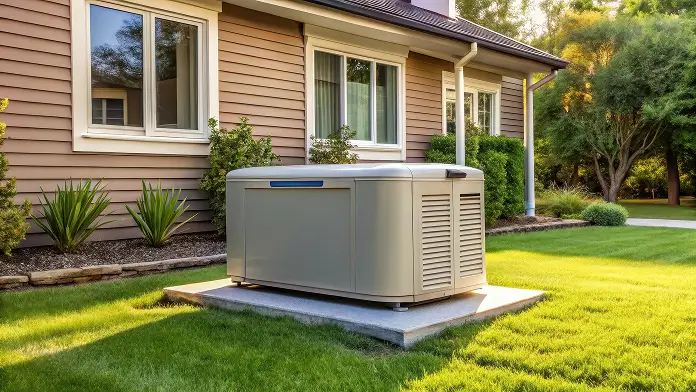
How does a Standby Generator work
Here’s how a professionally-installed standby generator can offer superior performance, delivering automatic “total home” power, surpassing the limitations of portable alternatives.
-
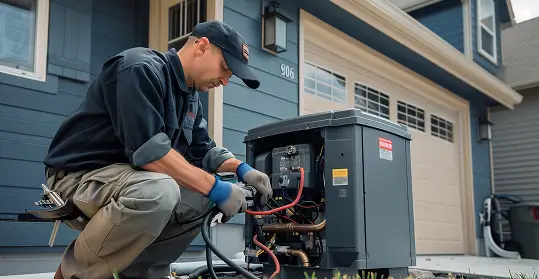
Safe and Compliant Installation
A professional contractor installs the standby generator, connecting it to your home’s electrical system and fuel source, ensuring a safe and reliable setup.
-
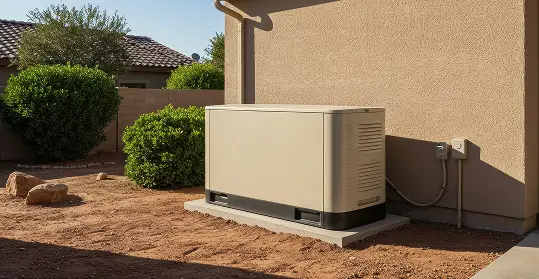
Guaranteed Standby Power and Full Appliance Coverage
A standby generator automatically restores power during a blackout, providing uninterrupted electricity to your entire home—no need to prioritize appliances.
-
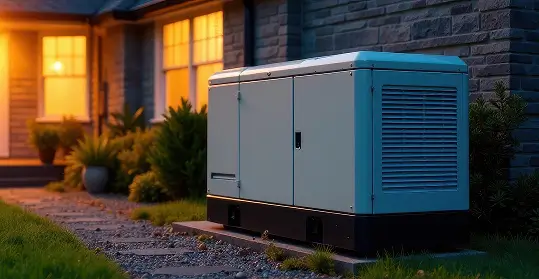
Long-Duration Performance
Unlike portable generators, standby units are directly connected to a fuel source, offering reliable power for extended outages without the need for refueling.
Benefits of Standby Generators
-
Reliable Emergency Power
A standby generator can provide power for days and equipment can last 20-30 years!
-
Prevents Costly Disruptions
Standby generators can ensure continuous electricity which keeps food fresh, appliances safe, and your home secure.
-
Warranties Available
Standby generators come with warranties to ensure greater peace-of-mind.
-
Quiet Operation
This isn’t loud, old-fashioned technology - noise from modern generators is about the same as a normal conversation, rainfall or a running dishwasher.
-
Return on Investment
Installing a standby generator provides a significant ROI and can increase your home's value by as much as 5% if you decide to sell!
-
Smart Home Integration
You can select a standby generator with smart home integration, allowing you to control the system completely remotely as needed.

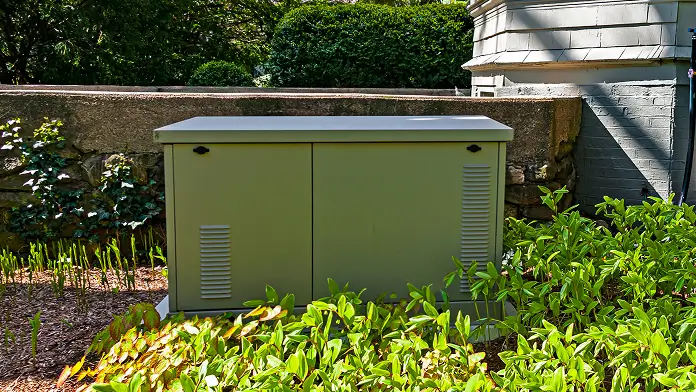
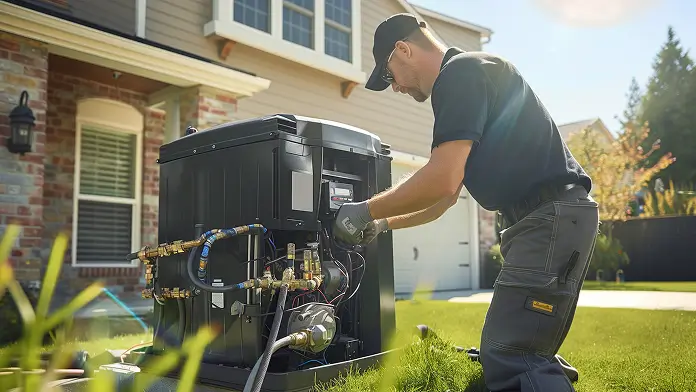
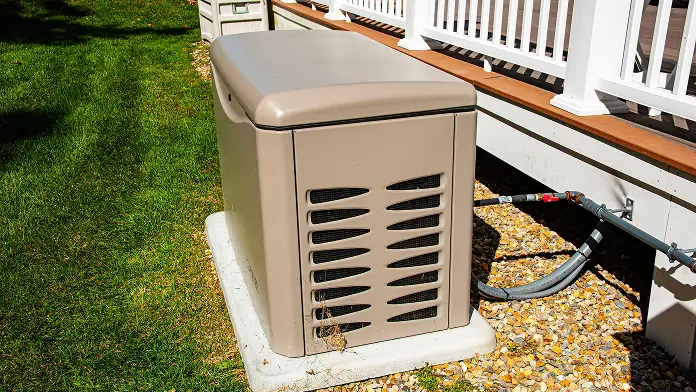
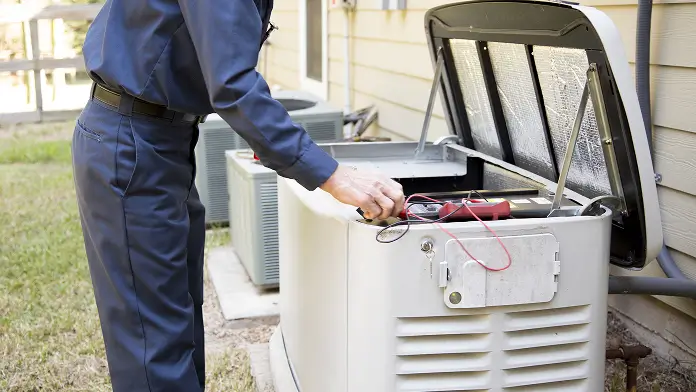
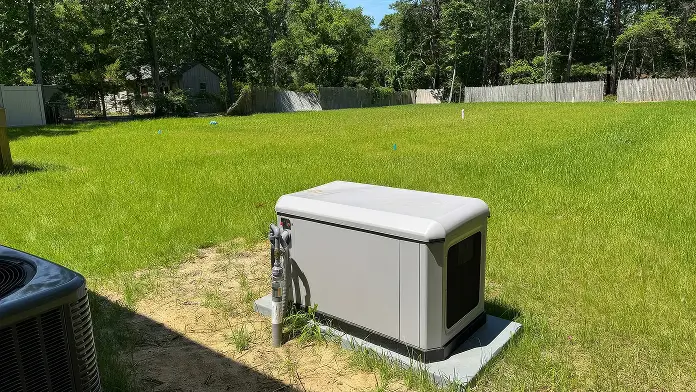
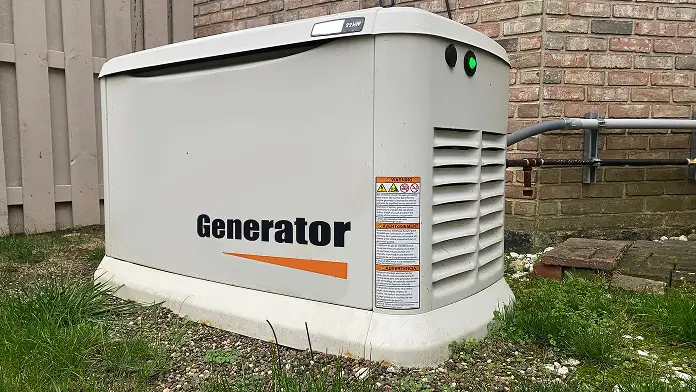
Gallery of Standby Generator Installations
Reviews of Standby Generator Contractors Near You
-

Steven C.

I’ve used this contractor for 25 years and have had only great service with professional technicians. The customer service is really reliable. Really recommend!
-
Jillian F.
High quality work and competitive pricing. The turnaround time was fantastic. Highly recommended.
-
Christine D.
From scheduling to payment, this was such a great experience. They were pleasant and professional and were able to get the job done quickly. They did an exceptional job. I highly recommend!
-
Faircloth C.
The entire team & their service was outstanding! They have completely transformed the appearance of our home, & we are extremely grateful!
)
Frequently Asked Questions
How much does it cost to install a standby generator?
Installing a whole-home backup power system is a significant investment, but it ensures your home remains operational during power outages. In 2025, you can expect to pay between $6,500 and $26,000 for a standby generator installation in your area, with most homeowners spending around $13,000. This covers both the unit and the labor for a safe, code-compliant setup.
What drives the cost? Your fuel type (natural gas is usually cheaper than propane), how far the generator is from your gas meter, whether you need electrical panel upgrades, and local permit fees. If your installation requires trenching, a concrete pad, or load management modules, the price goes up.
Working with standby generator installers nearby helps keep travel and labor costs down while ensuring everything meets local codes.
How much does an electrician charge for connecting a generator?
Electricians typically charge $50–$120 per hour, depending on their location and experience level. Connecting a standby generator usually takes 8–16 hours of electrical work, so you're looking at $500–$2,000 just for that. This includes installing an automatic transfer switch (ATS), wiring the generator to your main panel, and testing the entire system.
Often, electricians work with plumbers or gas fitters, which can add several hundred to several thousand dollars for gas line connections. Reputable standby generator installation companies bundle these costs so you're not hit with surprise charges. Always ask for an itemized estimate that breaks down electrical, gas, and permitting costs separately.
What questions should I ask an electrician?
Before hiring an electrician, ask questions that directly impact safety, reliability, and long-term cost. Good installers welcome detailed discussions and provide clear answers.
Here's what to ask: Are you licensed and insured for standby generator installation in this state? Which generator brands do you install and why? Will you perform a load calculation to size the generator correctly? Who handles permits and inspections? What warranty covers labor and electrical components?
The best standby generator installers will also explain code requirements such as NEC Article 702 and discuss surge protection and load-shedding options.
Should electricians have a license or a certificate to work?
Absolutely—licensing isn't optional. In most U.S. states, electricians must hold a state or local electrical license, and standby generator installation often requires additional certification. Working with an unlicensed professional can void your manufacturer's warranty and even your homeowners' insurance coverage.
Many home standby generator installers are also factory-trained by brands like Generac or Kohler, which adds extra expertise. You can verify licenses through your state's contractor licensing board or consumer protection agency. Don't rely solely on online reviews—always check credentials.
How much time does it take to install one standby generator?
The timeline can be misleading. While the actual installation work usually takes 1 to 2 days, the preparation phase takes much longer:
● Consultation & Sizing: 1–3 days
● Permitting: 2–4 weeks. This is the biggest holdup. Your town needs to approve the electrical and gas plans before any work starts.
● Site Prep & Installation: 1–2 days. Technicians pour the pad, place the unit, and run gas and electric lines.
● Inspection & Activation: 1 week. The gas utility and electrical inspector must sign off before the unit goes live.
All told, expect 4 to 6 weeks from signing the contract to having full backup power. If you need home standby generator installers during peak season, lead times can stretch even longer due to high demand.
What are the operating principles of a standby generator?
A standby generator continuously monitors utility power through an automatic transfer switch (ATS). When the voltage drops or fails, the ATS signals the generator to start and disconnects your home from the grid to prevent backfeed.
The generator engine converts fuel into mechanical energy, and an alternator turns that into electrical power. Most systems run on natural gas or liquid propane, so they can operate indefinitely as long as fuel flows.
Once utility power returns and stabilizes, the ATS switches your home back to grid power and shuts the generator down. The whole process is automatic—you don't have to do a thing.
Why is it necessary to purchase a standby generator rather than a portable generator?
Portable generators are cheaper upfront, but they lack the capacity and reliability you need for true home resilience. Home standby generator installers recommend permanent units for several key reasons:
● Automation: Standby units start automatically whether you're home or not. Portables require manual setup, extension cords, and refueling, no matter what happens.
● Fuel Source: Standby units run on natural gas or liquid propane, giving you an essentially unlimited fuel supply. Portables run on gasoline, which degrades quickly and requires constant refilling.
● Power Quality: Standby units produce cleaner electricity with lower Total Harmonic Distortion (THD), which is safer for sensitive electronics like laptops and smart appliances.
● Capacity: Standby units can power high-demand items like central A/C and well pumps that most portables can't handle.
What kind of maintenance do standby generators need?
Standby generators need annual maintenance, similar to a car. Most manufacturers recommend an oil change every 100–200 run hours or once a year, whichever comes first. You should also check air filters, spark plugs, and battery condition annually.
Many homeowners sign up for service plans with nearby standby generator installers, which typically cost a few hundred dollars per year. These plans include inspections, software updates, and load testing. With proper maintenance, your generator can last 20–30 years.
How long does it take for the emergency generator to be started?
Most standby generators restore power within 10–30 seconds after an outage. The brief delay lets the system confirm that the outage isn't just a quick voltage surge. During this time, critical systems like refrigerators and medical devices stay protected from damage.
This response time is standard across major manufacturers and meets NFPA 110 emergency power guidelines for residential use. The transition is smooth enough that many homeowners barely notice the outage.
Is it possible not to turn off the generator to reduce energy costs?
No—using a standby generator to replace grid power for cost savings is a terrible idea financially. Natural gas and propane cost significantly more per kilowatt-hour (kWh) than a regular power supply.
Here's an example: A 22kW generator running at half-load burns about 2.1 gallons of propane per hour. At $2.50 per gallon, that's $5.25 per hour. Utility electricity for the same load would likely cost less than $1.50 per hour.
Standby generators are designed for emergency use, not continuous operation. Running them 24/7 also accelerates wear and tear, leading to expensive engine overhauls.
What affects the power of my generator?
Even the best standby generator installers will tell you that the rated power on the box isn't always what you'll actually get. Environmental factors reduce performance:
● Altitude: Generators lose power in thin air. Generally, output drops by 3.5% for every 1,000 feet above sea level. For example, if you live in Denver (5,280 ft), a 20kW generator might only deliver around 16.5kW.
● Temperature: Engines struggle in extreme heat. For every 10°F above 60°F or 77°F (depending on the brand), power output can drop by 1%.
● Fuel Type: The same generator often produces less power on natural gas than on liquid propane because propane has a higher energy density. For example, a unit might be rated for 22kW on LP but only 19.5kW on natural gas.
Always ask home standby generator installers to perform a proper derating calculation for your specific location.