

Top Basement and Crawlspace Waterproofing Contractors Near Me Your Location ?
Waterproofing for Basements and Crawlspaces
Discover how budget-friendly it can be!
-
Prevent Leaks and Safeguard Your Home
-
Eliminate Unpleasant Odors and Stop Mold Growth
-
Keep Pests and Termites Away
-
Affordable Local Pricing
-
Skilled Local Contractors You Can Trust

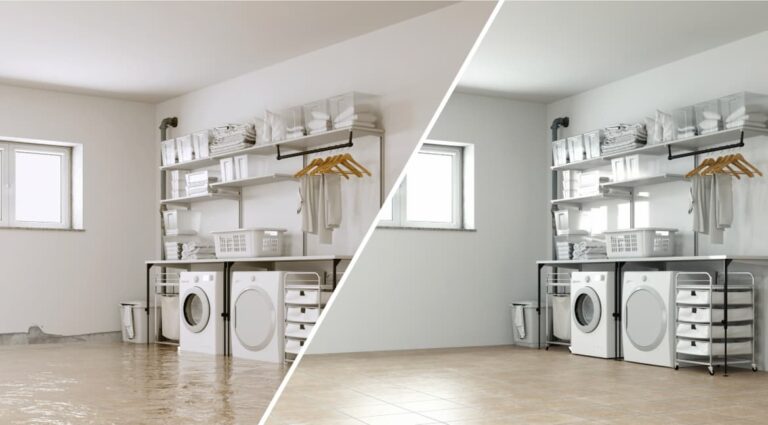
Effective Waterproofing Solutions
With a range of budget-friendly options, you’ll receive dependable, long-lasting protection that ensures peace of mind.
-
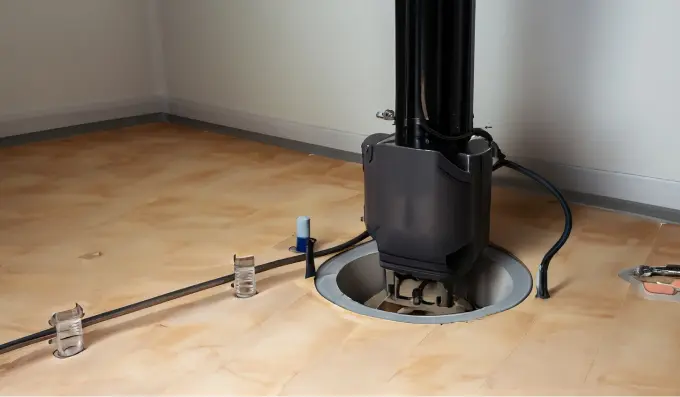
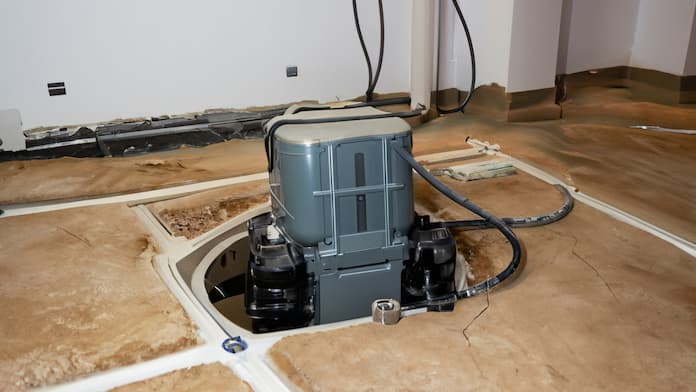
Drainage Systems & Sump Pumps
An automatic sump pump prevents flooding and water damage, giving homeowners peace of mind knowing their property is safe, even when they're not home.
-
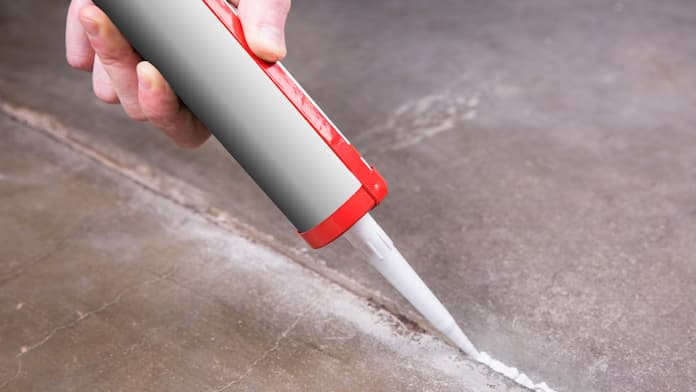
Sealants & Epoxy Injections
Quickly seal cracks and gaps in concrete, masonry, and stone. These sealants and epoxy injections are durable, water-resistant, and provide long-lasting protection.
-
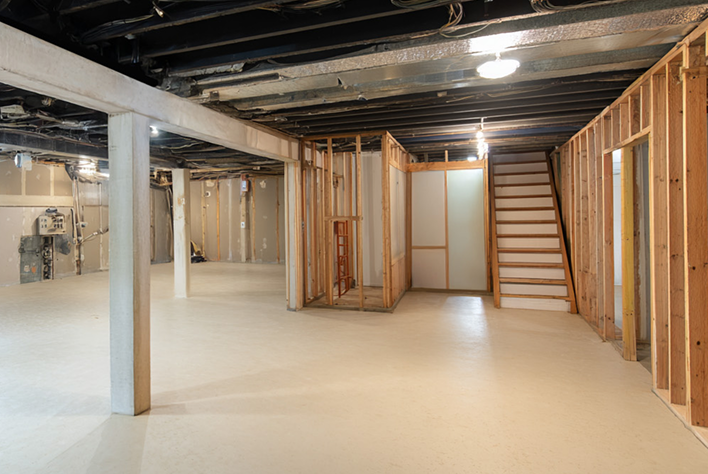
Complete Interior Waterproofing
Protect your home from leaks, moisture, and potential flooding with interior membranes, efficient drainage systems, automatic sump pumps, and high-quality sealants.
-
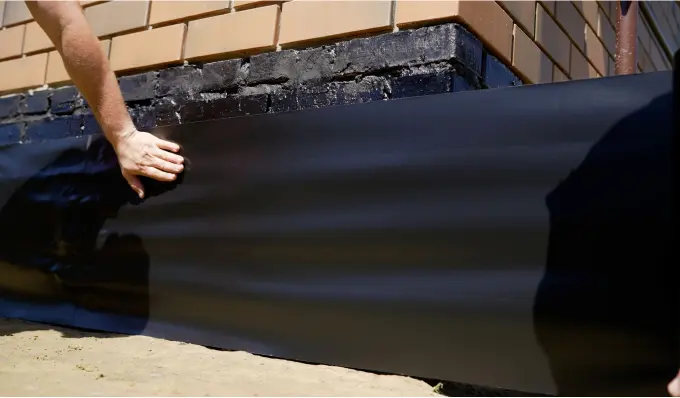
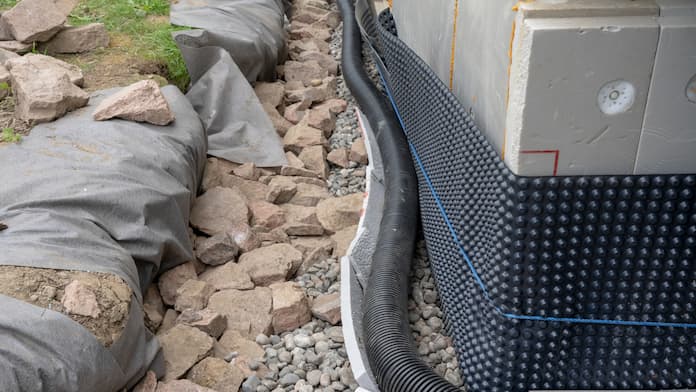
Complete Exterior Waterproofing
Exterior waterproofing involves applying a protective membrane and drainage system around your foundation to prevent water from entering your basement.
-
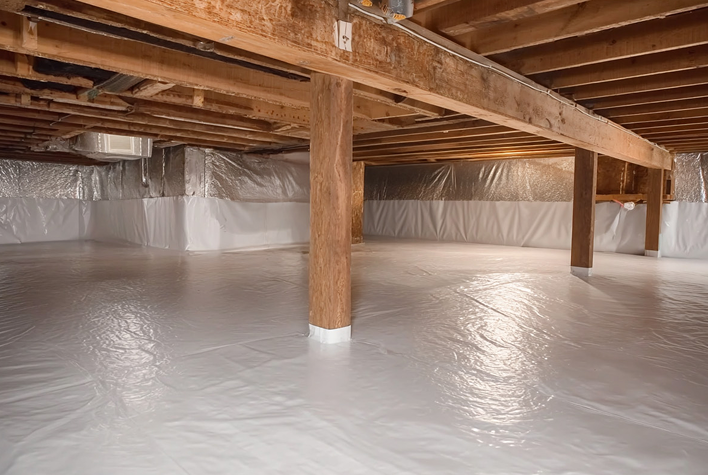
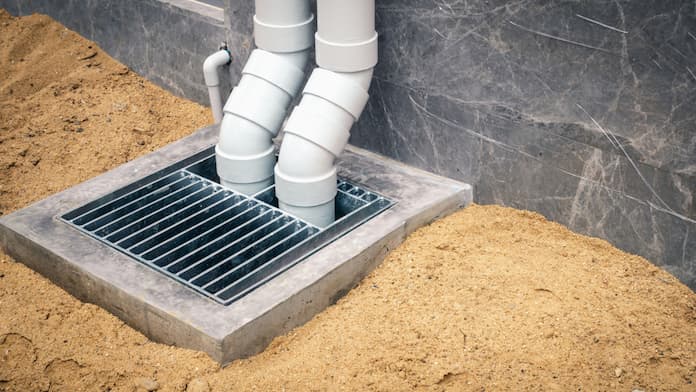
French Drains
French drains effectively redirect water away from your property, helping prevent damage and maintaining the structural integrity of your home.
-
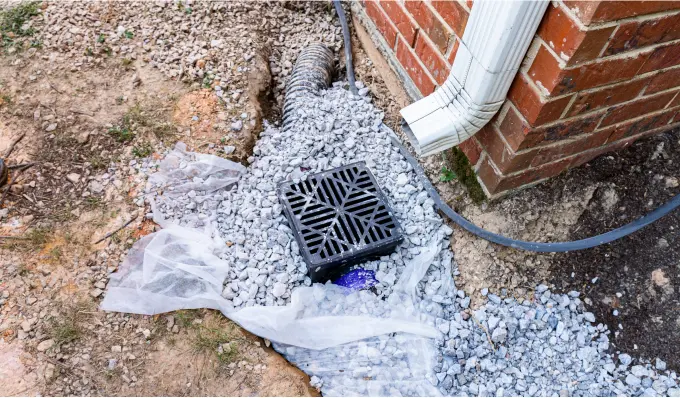
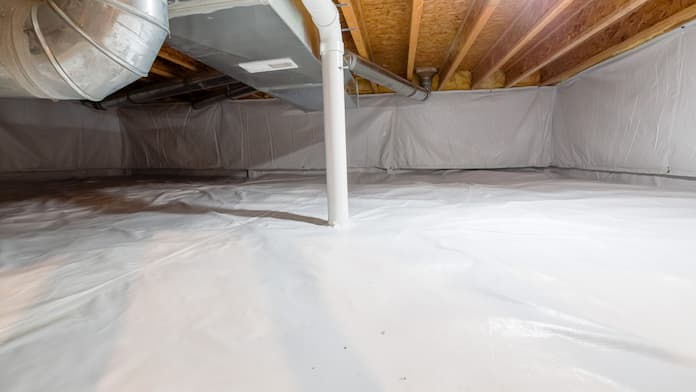
Crawlspace Sealing/Encapsulation
Protect your crawlspace from moisture, pests, and mold, and improve the air quality inside your home for a healthier living environment.
Advantages of Waterproofing
-
Enhance Property Value
Investing in waterproofing not only shows that you maintain your home but also adds value by making it more attractive to potential buyers.
-
Increase Usable Space & Storage
Waterproofing your basement creates more livable space and allows for safe, secure storage of personal belongings.
-
Prevent Flooding & Water Damage
Eliminate the risks of flooding and water damage, protecting your home from both immediate and long-term structural harm.
-
Save on Utility Bills
Prevent moisture infiltration, which causes temperature fluctuations and puts extra strain on heating and cooling systems, leading to lower energy costs.
-
Improve Indoor Air Quality
Protect your family’s health by removing excess moisture, mold, and mildew, which can reduce allergens and improve overall air quality.
-
Extend the Life of Your Home
Waterproofing safeguards your home’s structural integrity, helping to prevent damage from leaks, dampness, and mold, ultimately extending its lifespan.

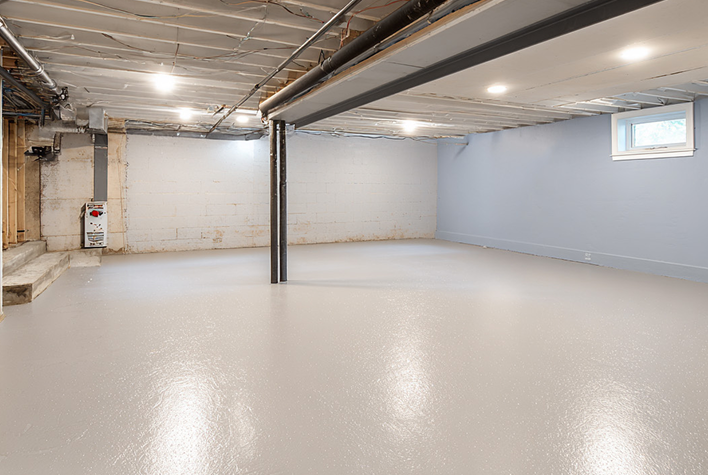
Gallery of Completed Basement Waterproofing Projects
Reviews of Deck Contractors Near You
-

Kevin H.

They came out to service a small water intrusion, seepage along a basement wall. Installed drainage, a sump pump, and egress window in our basement. I would not consider anyone else given my past and present experience. They listened and provided options and solutions that fit, along with being a very good value.
-
Alexis C.
I needed drainage and a sump pump in my basement. They were efficient and communicated well. The installation team finished in a single day and were clean and courteous.
-
Eastside B.
Basement waterproofing. Foundation advice. The install team was very professional, courteous, prompt and considerate. Clean up afterwards. Job took about 8 hours. It looks really good. Looking forward to the spring rains thinking that we are ready.
-
Dick H.
Our estimator spent at least an hour inspecting our crawlspace and took lots of pictures to show us. The workers arrived on time and never seemed to take a break. Very professional, always had the right tools and supplies and were careful not to make a mess. It's such a relief to know that future dry rot and sagging floors has been eliminated.
-
Susan G.
The team arrived on time and completed the task in a timely matter. You could not even tell that there was some work going on. They cleaned up the work area and asked me if I had any questions. Very pleased and would recommend this company to anyone.
)
Frequently Asked Questions
How do I know if I need basement waterproofing?
Many homeowners don’t start searching for basement waterproofing contractors nearby until they see standing water, but the earliest warning signs are often much less obvious. According to the American Society of Home Inspectors (ASHI), more than 60% of U.S. homes experience moisture below ground level. Catching these signs early can help you avoid serious structural damage:
● Efflorescence: That white, chalky powder on your walls isn't mold—it's salt deposits when water seeps through concrete and evaporates. It's a clear sign of slow moisture intrusion.
● Musty Odors: A persistent, damp, earthy smell indicates high humidity and likely indicates mold growth hiding behind your drywall or insulation.
● Bowed Walls: If your foundation walls are curving inward, hydrostatic pressure from water-saturated soil is threatening your home's structural integrity.
● Rust on Appliances: Check the feet of your furnace, water heater, washer, and dryer. Rapid rusting signals abnormally high humidity levels.
● Dry Rot: Poke wood headers or joists with a screwdriver. If the wood crumbles, moisture has triggered wood-decaying fungi.
What is the best price for basement waterproofing?
The best price isn't always the lowest. In 2025, professional waterproofing projects typically cost between $12,500 and $50,000, with most homeowners paying around $25,000. Your final cost depends on your basement size, how severe the water damage is, which waterproofing method you choose, and local labor rates.
Here's the thing: reputable basement waterproofing companies focus on long-term solutions, not rock-bottom bids. Cheap fixes often fail within a few years, costing you more in the end.
How does conventional waterproofing differ from basement waterproofing?
Many people confuse damp-proofing with real waterproofing. They're not the same thing.
● Conventional Damp-proofing: This is usually a thin tar-based coating sprayed on the exterior during construction. It's only designed to slow down soil moisture—not stop actual water or handle pressure from saturated ground. Plus, it often breaks down within a few years.
● Basement Waterproofing: This is a complete system designed to either prevent water from entering or manage it effectively once it does. Basement waterproofing companies use heavy-duty rubberized membranes, drainage boards, and active water removal systems like sump pumps to handle serious water volume and pressure.
Think of it this way: Damp-proofing is like a light rain jacket, while true waterproofing is a professional diving suit. If the water pressure is high, you want the diving suit.
What are the methods or types of basement waterproofing?
Basement waterproofing contractors nearby typically use three main approaches:
● Interior Drainage Systems: This involves cutting into the perimeter of your basement floor to install a perforated pipe (French drain) that channels water to a sump pump. It's the most common method for existing homes because it's less invasive than digging up the outside.
● Exterior Waterproofing: This is the only way to stop water before it reaches your foundation. It requires excavating down to the footer, cleaning the walls, and applying a waterproof membrane with drainage tiles. It's more work, but it's also the most effective.
● Interior Sealants and Injections: Best for fixing specific leaks. Contractors inject high-pressure polyurethane foam into cracks, where it expands to fill the entire void all the way to the outside soil.
Is it necessary to do waterproofing not only inside, but also outside your basement?
In many cases, yes—especially if you live in an area with heavy rain or high groundwater. Interior systems manage water after it gets in, while exterior and interior basement waterproofing work together to stop it before it enters and handle any water that does make it through. Studies show exterior membranes can reduce foundation moisture by up to 90%, which dramatically extends your concrete's lifespan.
That said, not every home needs both. Experienced basement waterproofing contractors nearby will assess your grading, soil type, and foundation age before recommending a combined approach—so you're not paying for work you don't need.
Is it possible to do the waterproofing of the basement yourself?
You can handle minor issues yourself—like sealing small cracks or applying interior waterproofing paint. But these are temporary fixes that don't address groundwater pressure or structural problems.
Installing French drains, sump pumps, or exterior membranes requires specialized tools, excavation equipment, and knowledge of local building codes. Mistakes can lead to mold, foundation damage, or even voided home insurance coverage.
For anything beyond surface-level repairs, hiring basement waterproofing specialists is both safer and more cost-effective in the long run.
What should I pay attention to when hiring a basement waterproofing contractor?
Focus on credentials, transparency, and thorough diagnostics—not high-pressure sales tactics. Reliable basement waterproofing companies should provide:
● A written inspection report identifying moisture sources
● Proof of licensing, insurance, and local experience
● Warranty details (often 10–25 years for drainage systems)
● References or verified customer reviews
Avoid contractors who jump straight to recommending a solution without inspecting your exterior grading or foundation conditions. HomeBuddy makes this easier by connecting you with pre-screened basement waterproofing contractors in your area.
Why is it important to waterproof the basement on time?
Delaying waterproofing can be costly and risky.
● Health Risks: According to the EPA, mold can start growing on damp surfaces within 24 to 48 hours. Long-term exposure to mold spores complicates asthma and can cause respiratory infections.
● Structural Damage: Water gradually breaks down the binding agents in concrete and mortar. When the steel rebar inside your concrete rusts, it expands—cracking the concrete from the inside out.
● Resale Value: A wet basement can knock 10% to 25% off your home's value. Many buyers will walk away completely or demand a massive credit at closing.
What is the approximate cost of waterproofing a 1,000 square foot basement?
Keep in mind that drainage systems are priced by linear feet (the perimeter), not square footage. A 1,000 sq. ft. basement is typically around 25' x 40', which gives you roughly 130 linear feet of perimeter.
Prices vary based on your region, soil type, and foundation depth. Searching for basement waterproofing nearby helps you find local pricing trends and contractors who understand your area's specific conditions.
What is the cheapest type of basement waterproofing?
The least expensive option is usually interior crack sealing. Interior waterproofing paints and sealants are also budget-friendly, but they offer limited protection. Basic interior drainage systems cost more than sealants but less than exterior excavation—and they still deliver solid results.
Just remember: the cheapest method isn't always the most effective, especially in areas with high water tables. A professional assessment ensures you're not choosing a short-term fix for a long-term problem.
How long does this job last?
High-quality waterproofing systems can last 20–30 years. Some exterior membrane systems last up to 50 years when installed correctly. Sump pumps typically last 7–10 years, though battery backups may need replacing every 3–5 years. Drainage systems can last for decades if properly maintained.
Many basement waterproofing companies offer warranties that match or exceed these lifespans. How long your system lasts depends on installation quality, soil conditions, and ongoing maintenance.