

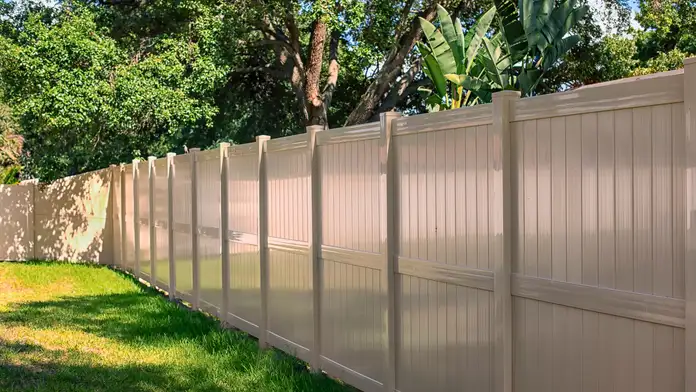

Key Points
- The cost to install a vinyl fence typically ranges from $30 to $60 per linear foot, with most homeowners spending between $2,300 and $6,000 for a full project.
- The final price depends on things like fence height, total length, vinyl quality, labor rates, gates, and whether the yard has slopes or access issues.
- Vinyl does cost more upfront than wood, but many homeowners choose it for the low maintenance, long lifespan, and clean, consistent look.
Vinyl Fence Cost Per Linear Foot
Vinyl fencing usually runs $30 to $60 per linear foot installed, which includes both materials and labor.
Lower prices typically mean standard heights, simple styles, and thinner panels. Costs go up with thicker vinyl, taller privacy fences, or installs that need extra labor.
You can measure your fence line and use a realistic per-foot range to help you set expectations before getting estimates.
What Factors Affect Vinyl Fence Installation Cost?
Now, let’s look at some key factors that can affect the price to install a vinyl fence.
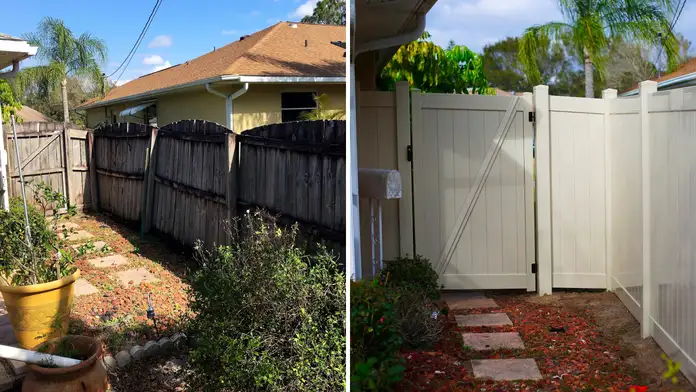
Fence Height and Total Linear Footage
Fence height plays a big role in vinyl fence pricing. Shorter fences, like 4-foot styles, are the most affordable, while 6-foot privacy fences usually cost around $40-$60 per linear foot. Go up to 8 feet, and prices can climb to $85 per foot because of the extra materials and added installation work.
The total length matters too. The longer the fence line, the higher the final cost. That’s why accurate measurements are key when planning your budget.
Vinyl Fence Style and Design
- Vinyl Fence StyleTypical Cost per Linear Foot
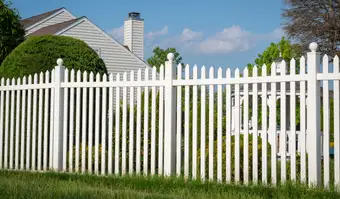
- Picket Fence$15 - $20
- Split Rail Fence$15 - $30
- Shadowbox Fence$40 - $65
- Privacy Fence$40 - $60
- Tall/Premium Privacy FenceUp to $85

Vinyl fence style affects cost based on how much material the design uses.
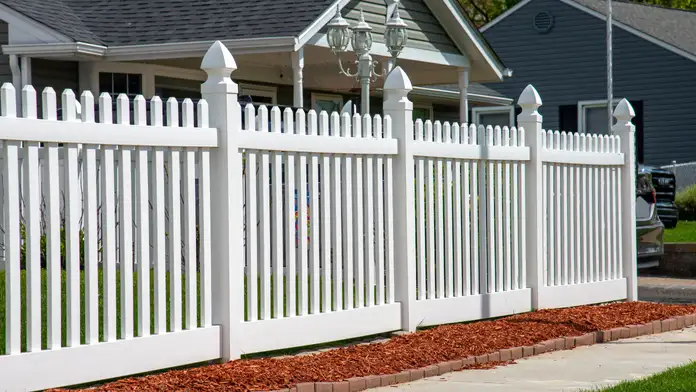
Picket fences are the least expensive, typically costing $15-$20 per linear foot, since their open design requires less vinyl.
Privacy fences cost more because they use solid panels. Standard styles can reach $60 per linear foot, while taller or premium options may cost up to $85 per linear foot.
Split rail fences are another lower-cost option, usually priced at $15-$30 per linear foot, but they provide little privacy.
Shadowbox designs fall in the middle, averaging $40-$65 per linear foot, offering partial privacy with better airflow.
Keep in mind that the more solid and decorative the design, the higher the vinyl fence installation cost.
Material Quality and Thickness
Vinyl fence prices also depend a lot on panel thickness and overall quality. Thinner, hollow panels are cheaper upfront, but they’re more likely to crack, sag, or fade over time. Thicker panels and reinforced posts cost more at the start, but they hold up better and last longer.
Spending a bit more on higher-quality vinyl often means fewer repairs and replacements down the road, which can save money in the long run.
Labor and Installation Complexity
Labor makes up a big part of the vinyl fence installation cost, usually around $5 to $15 per linear foot. Straight fence lines on flat ground are quicker to install, so they sit at the lower end of that range.
Costs go up when the job gets more complicated - taller fences, slopes, tight spaces, or tricky layouts all take more time and effort. In those cases, the labor cost to install a vinyl fence can rise even if the material price stays the same.
Site Conditions and Accessibility
Vinyl fence installation costs more on properties with slopes, uneven ground, rocky soil, or obstacles. These conditions slow installation and increase labor time.
Limited access areas, such as narrow side yards, can also raise costs because materials are harder to move and install.
Flat, open yards are the least expensive to fence.
Permits and Local Requirements
Permits can add to the cost of installing a vinyl fence. Some cities require them based on fence height, location, or how close the fence is to property lines, which can mean extra fees or inspections.
HOA rules and local zoning laws can also limit fence height, style, or placement. If adjustments are needed to meet those rules, both material and labor costs can go up.
Additional Costs to Consider
These additional factors are often overlooked but can noticeably increase the total vinyl fence installation cost.
Vinyl Fence Gates and Fence Posts
Gates and posts can add more to a vinyl fence budget than many homeowners expect. Gates need extra materials, hardware, and labor, especially wider driveway or double-swing gates, and every additional gate bumps up the total cost.
Posts matter too. Vinyl posts are often thicker or reinforced to support the panels and gates, which raises material costs. Taller fences or heavy gates may need steel-reinforced posts, pushing the vinyl fencing cost even higher.
Add-Ons and Custom Features
Add-ons and custom features can drive up the price of a vinyl fence pretty quickly. Things like lattice tops, color upgrades, textured panels, or decorative post caps all add extra materials and labor.
Functional upgrades, such as reinforced posts, privacy inserts, or specialty hardware, can raise costs too. These features can improve looks or durability, but they’re optional.
Skipping non-essential add-ons is one of the easiest ways to keep costs in check.
Site Preparation and Ground Work
Vinyl fence installation costs more if the site isn’t ready. Removing old fencing, clearing vegetation, leveling uneven ground, or working around rocks increases labor time and overall cost. Prepared, flat yards are the least expensive to install.
Ongoing Maintenance and Long-Term Costs
Vinyl fencing doesn’t need painting, staining, or sealing, and routine maintenance usually involves occasional cleaning with water or mild soap.
While vinyl costs more upfront, the lack of regular maintenance expenses can make it more cost-effective over time for homeowners planning to stay in their home long term.
Vinyl Fence vs Other Fencing Options


How to Save Money on Vinyl Fence Installation

Is Vinyl Fence Worth the Cost?
A vinyl fence is worth the cost for homeowners who want a long-lasting, low-maintenance fencing option. While the upfront price is higher than wood or chain-link, vinyl doesn’t require painting, staining, or sealing, which reduces ongoing expenses over time.
Vinyl fencing also resists rot, insects, and moisture, making it a strong choice in areas with harsh weather. For homeowners planning to stay in their home long term, the durability and minimal upkeep often justify the higher initial investment.
DIY vs Professional Vinyl Fence Installation
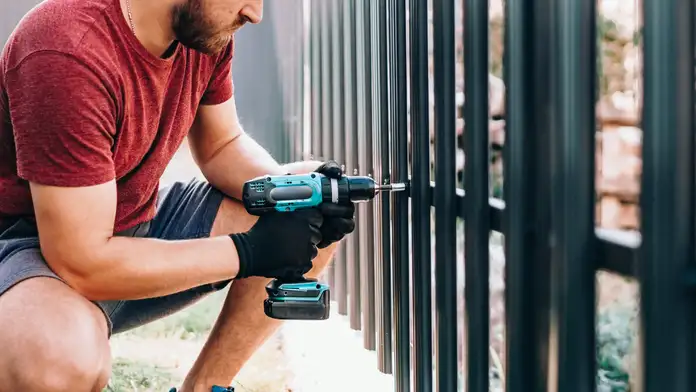
Installing a vinyl fence yourself can save on labor, but it usually only works well for small, simple fences on flat ground. DIY jobs need careful measuring, proper post spacing, and level panels, as small mistakes can lead to weak posts or panels that don’t line up.
Hiring a pro costs more upfront, but it helps avoid those issues. Professionals handle permits, slopes, and proper installation, which affects how the fence looks and how long it lasts. For larger yards, uneven ground, or privacy fences, professional installation is often the better long-term choice.
Final Thoughts: The True Cost of Installing a Vinyl Fence
You can expect the average cost of a vinyl fence to be between $2,300 and $6,000 for a complete project. Of course, the price will vary depending on factors like site conditions, fence height, material quality, labor, and permits.
If you’re looking for a quality vinyl fence installation, it’s recommended to connect with the right professional. The good news? HomeBuddy lets you match with an expert local contractor and get a free quote after you answer a few questions.
How much does vinyl fencing cost per foot?
Vinyl fencing typically costs $30 to $60 per linear foot installed, including materials and labor. Prices can reach $85 per foot for tall privacy fences, premium vinyl panels, or installations with complex site conditions.
Is vinyl fencing more expensive than wood?
Yes, vinyl fencing is generally more expensive upfront than wood. Vinyl materials and installation usually cost more per foot, but vinyl requires much less maintenance over time, which can make it more cost-effective long term for homeowners who want low upkeep.
What increases the cost of vinyl fence installation the most?
The biggest cost drivers are fence height, total linear footage, and material quality. Taller privacy fences, thicker or reinforced vinyl panels, complex layouts, and difficult site conditions significantly increase both material and labor costs.
How long does a vinyl fence last?
A vinyl fence typically lasts 20 to 30 years or more with minimal maintenance. High-quality vinyl resists rot, insects, moisture, and fading, which helps it outlast many wood fences when properly installed.
How long does vinyl fence installation take?
Most vinyl fence installations take 1 to 3 days, depending on fence length, height, site conditions, and layout complexity. Larger properties, sloped terrain, or added gates can extend the timeline.