

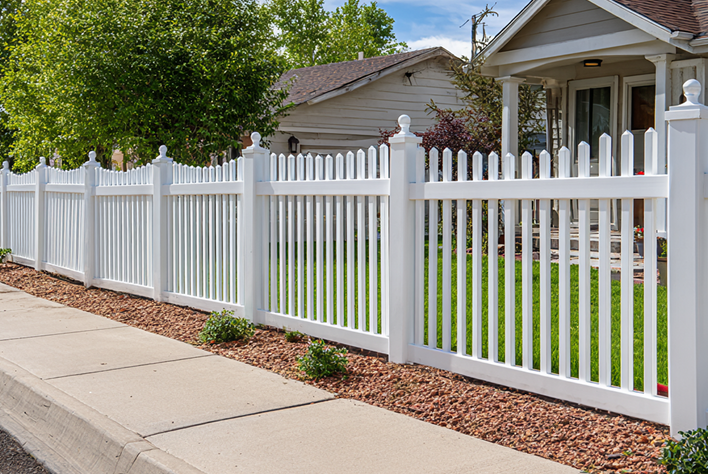

Key Points
- Average cost to install a fence: $2,800–$7,500 (most homeowners pay around $4,200 for 150 linear feet)
- Price per linear foot: $15–$50, depending on material and complexity
- Material cost for a wood fence: $1,500–$4,500 for an average 150-foot perimeter
- Metal fence price: $3,000–$12,000+ for aluminum or wrought iron installations
- Labor typically accounts for 40–60% of total project costs
- Fence replacement runs 15–30% higher than a new installation due to removal fees
What is the Average Fence Installation Cost?
Most homeowners spend between $2,800 and $7,500 on fence installation, with the average around $4,200 for a standard residential project. This typically covers about 150 linear feet—enough to enclose a medium-sized backyard or mark off your front yard.
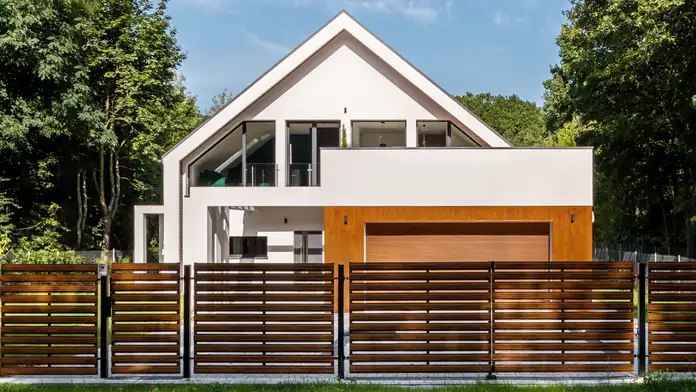
The cost to install a fence depends heavily on its material. Chain-link is your budget option—you will pay $1,200–$3,500 for 150 feet, while premium wrought iron can reach $15,000 or more for the same length. Wood fencing—one of the most popular options—costs $2,500–$5,500 for standard cedar or pine.
High-end projects with ornamental ironwork, custom gates, and professional landscaping can easily reach over $20,000. By contrast, simple boundary markers using basic materials on flat, easy-to-reach land might come in under $2,000. Your location also makes a big difference—prices can vary by up to 40% between rural and city areas.
Your fence installation estimate should reflect your specific property, your chosen materials, and local permit requirements. Getting multiple quotes from pre-screened contractors through HomeBuddy helps ensure you're getting competitive pricing without sacrificing quality.
How Much Does a Fence Cost Per Linear Foot?
The easiest way to plan your budget is to look at the price per linear foot. Most contractors price this way, making it easy to calculate costs for any property size.
Typical cost to install a fence ranges by linear foot:
- Chain-link$8–$15 per foot
- Wood (pine/cedar$15–$30 per foot
- Vinyl$20–$40 per foot
- Composite$25–$45 per foot
- Aluminum$25–$35 per foot
- Wrought iron$40–$100+ per foot

These amounts include both materials and labor. The per-foot price drops slightly on bigger projects—contractors can work more efficiently on 300 feet than 50 feet, which reduces setup and mobilization costs.
Labor-intensive installations on complex terrain add $5–$15 per linear foot. If your property has rocky soil, steep slopes, or lots of obstacles, you'll need specialized equipment and extra labor. Corner posts and gates also bump up the average price since these require reinforcement and precise alignment.
Premium materials and custom designs also increase prices. Hand-crafted wrought iron with decorative touches, ipe or other tropical hardwoods, or vinyl with realistic wood-grain textures all cost more. Standard heights run 4 to 6 feet; going up to 8 feet adds 20–35% to both material and labor costs.
How Does the Material Affect the Fence Installation Cost?
Choosing your material is your biggest cost decision. Each option has its own benefits when it comes to durability, maintenance, looks, and how long it lasts.


How Much Does a Fence Cost by Type and Style?
Beyond material, fence style significantly impacts price. Privacy fences need solid panels and greater heights, so they cost more than open designs like picket or split-rail.
| Fence Type | Cost Per Linear Foot | Best Uses |
|---|---|---|
| Privacy (solid panels) | $20–$45 | Backyards, noise reduction, security |
| Picket (decorative open) | $15–$35 | Front yards, gardens, traditional aesthetic |
| Split-rail (rustic open) | $10–$25 | Large properties, livestock boundaries |
| Ornamental metal | $30–$100+ | Pool enclosures, estate perimeters |
Privacy fences use 30–50% more material than comparable open designs, which directly affects cost. Board-on-board privacy styles (overlapping vertical boards) cost $3–$6 more per foot than solid panels but give you better air circulation and look nicer.
Decorative touches increase the cost to install a fence based on complexity. Lattice toppers add $5–$10 per foot. Custom post caps run $15–$75 each, depending on material and design. Scalloped or arched top rails take more labor time and create material waste, adding $8–$15 per section.
Security fencing with reinforced posts, deeper footings, and anti-climb features costs 25–40% more than standard installations. Pool fences must meet strict local codes for height (typically 48+ inches), gate latches, and spacing between vertical members, which affects both material choice and installation complexity.
How Does Cost Differ by Fence Size and Length?
Fence length directly determines total cost, but the per-foot price often drops on larger projects. Understanding how size affects your budget helps with planning and contractor negotiations.


What Are Key Factors That Affect the Final Price?
A fence installation estimate involves more than just materials. What are some other factors that affect the total cost?

How Does the Location Affect the Fence Cost?
Just like housing costs vary by region, so do construction costs. Installing a fence in a high-cost city like San Francisco or New York will have significantly higher labor rates than the same project in a rural Midwestern town.
Material shipping costs and local availability also matter. For example, cedar might be cheaper in the Pacific Northwest, where it's harvested, compared to the Southeast.
Should You Hire a Pro or Do It Yourself?
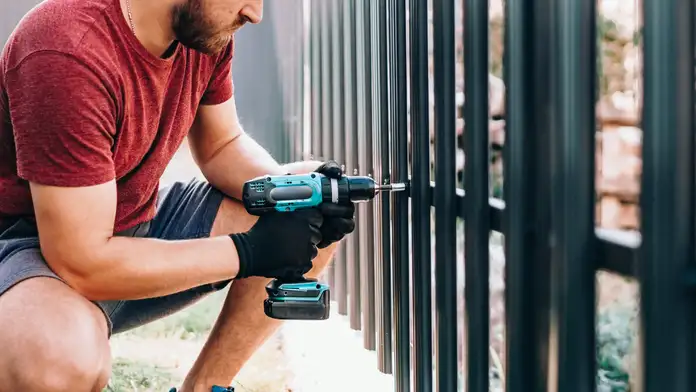
Many homeowners wonder if they can save money by installing a fence themselves. DIY installation can save you 40-60% on labor costs—potentially $1,500 to $4,500 on a typical project. But it's not a decision to take lightly.
DIY works great for smaller, simpler projects on level ground, especially if you already have the tools and some construction experience. But for large projects, complex terrain, or premium materials, hiring a professional is usually smarter. Professionals have the required equipment, wholesale material pricing, and the expertise to avoid common mistakes like incorrect post depth or misalignment—ensuring your fence is durable and meets code.
How to Save Money on Fence Installation?
You can manage costs without sacrificing quality. Here is how:

Frequently Asked Questions
What fence is the cheapest to install?
Generally, a basic wire fence or simple chain-link fence is most affordable, with the cost to install a fence starting from $15 per linear foot. If you prefer the look of wood, a pressure-treated pine picket fence is also very budget-friendly.
What cost per linear foot should I expect?
A good rule of thumb is $15 to $50+ per linear foot for professionally installed fencing. The exact amount depends heavily on your material choice.
What is the cost of installing 200 feet of fencing?
For 200 feet, expect to pay anywhere from $2,000 for basic chain-link to around $4,500 for a wood picket fence or over $9,000 for high-end vinyl or composite privacy fencing.
What does a fence estimate include?
A good fence installation estimate should be itemized and include materials, labor, gate installation, old fence removal (if needed), permit fees, and any site preparation work.
How long do fences last, and what affects their lifespan?
A fence's lifespan depends on the material and maintenance. Well-maintained wood can last 15-20 years, while vinyl and aluminum can last decades with minimal service. Climate, soil conditions, and insect activity also play a role.
How long will it take to install a fence?
For a typical residential yard, professional installation usually takes 1 to 3 days. Larger or more complex projects can take up to a week, depending on terrain, weather, and materials.
Is installing a fence a good idea?
Installing a fence is more than just marking a boundary—it's an investment in your home's security, privacy, and quality of life. While the upfront cost of the fence and installation can be significant, the long-term benefits are undeniable. It provides a safe space for children and pets, enhances privacy, and can deter intruders.
Does a fence installation increase home value?
Absolutely. A well-built, attractive fence is highly desirable to potential buyers and can provide a solid return on investment. It boosts curb appeal and signals that a home is well-maintained. While it might not add dollar-for-dollar value, a new fence can make your home more marketable and help it sell faster, making the initial investment a wise financial decision.
Conclusion
Understanding fence installation costs helps you plan effectively and get maximum value from this substantial home improvement investment. The cost to install a fence varies due to many factors: material choice, property conditions, and regional labor rates. However, smart timing and careful contractor selection through HomeBuddy help control expenses. Whether you're prioritizing budget-friendly functionality or premium looks, informed decisions about materials, contractors, and project scope ensure your fence delivers decades of value, security, and enjoyment.
How much does it cost to replace a fence? Remember that fence replacement typically runs 15–30% higher than a new installation due to removal and disposal fees, so add them to your budget.